 RelayDM
An Instagram private reply is a specific response to a comment, not a new permission to run an unlimited conversation. Understanding that boundary helps explain why an opening message may arrive while the next message does not. The right question is not simply whether automation is enabled, but which interaction made each next step eligible.
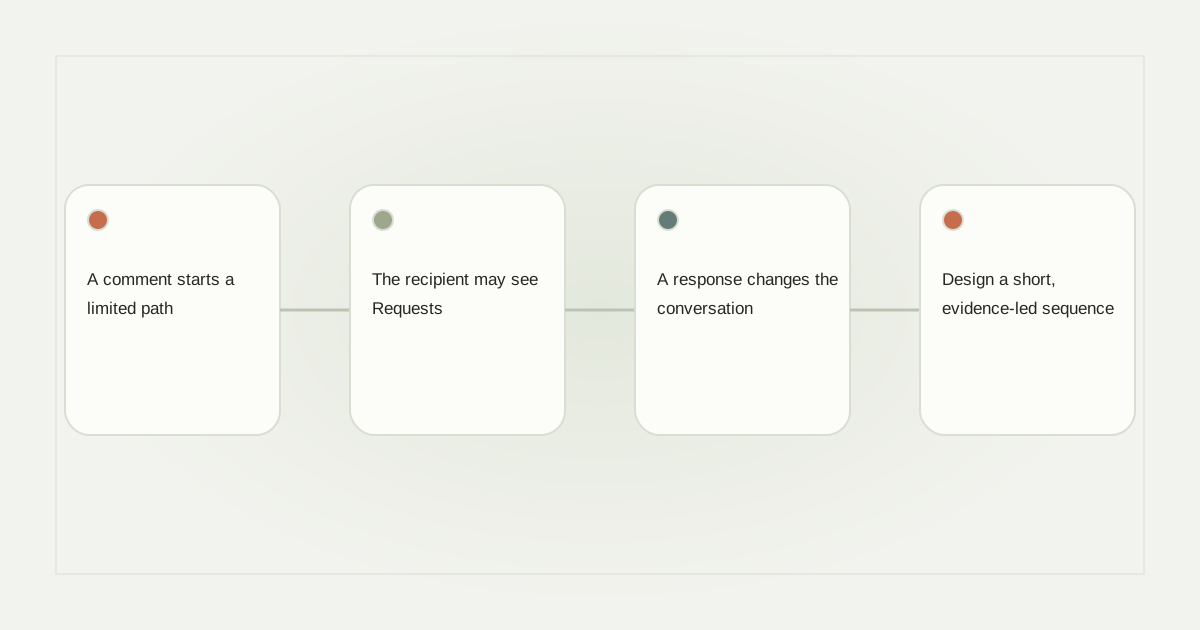
A comment starts a limited path
Imagine a gardening account inviting readers to comment SEEDS for a planting worksheet. The comment identifies a request associated with that post. A tool must map the correct professional account, comment and resource before attempting a private reply. Another person using the same word on another post is a different event.
Meta documents the initial private reply separately from subsequent messaging. Its private-reply documentation describes the initial allowance and timing. Do not interpret that allowance as approval for a sequence of promotional reminders. A tool also needs the relevant permissions and account access.
The recipient may see Requests
An accepted reply is not proof that a recipient has read it. Depending on the relationship between accounts, the message may appear in Requests. Customer guidance should say where to look without asking them to repeat the comment several times. Repetition can make diagnosis harder and does not create a new permission automatically.
Keep three facts separate in your records: the triggering comment was received, the platform accepted an outgoing message, and the recipient confirmed seeing it. A screenshot can help establish the third fact, but it cannot replace the provider evidence for the second.
A response changes the conversation
A qualifying recipient response can permit further messaging within the applicable window. That is why an opening message often asks someone to reply or use a supported native action. The action must produce a genuine platform interaction. An animation in a builder preview does not establish that interaction.
Opening a website link should not be assumed to create messaging consent. Manychat’s official comments-trigger guidance distinguishes these steps. A resource button and a reply button solve different tasks; label them accordingly.
Design a short, evidence-led sequence
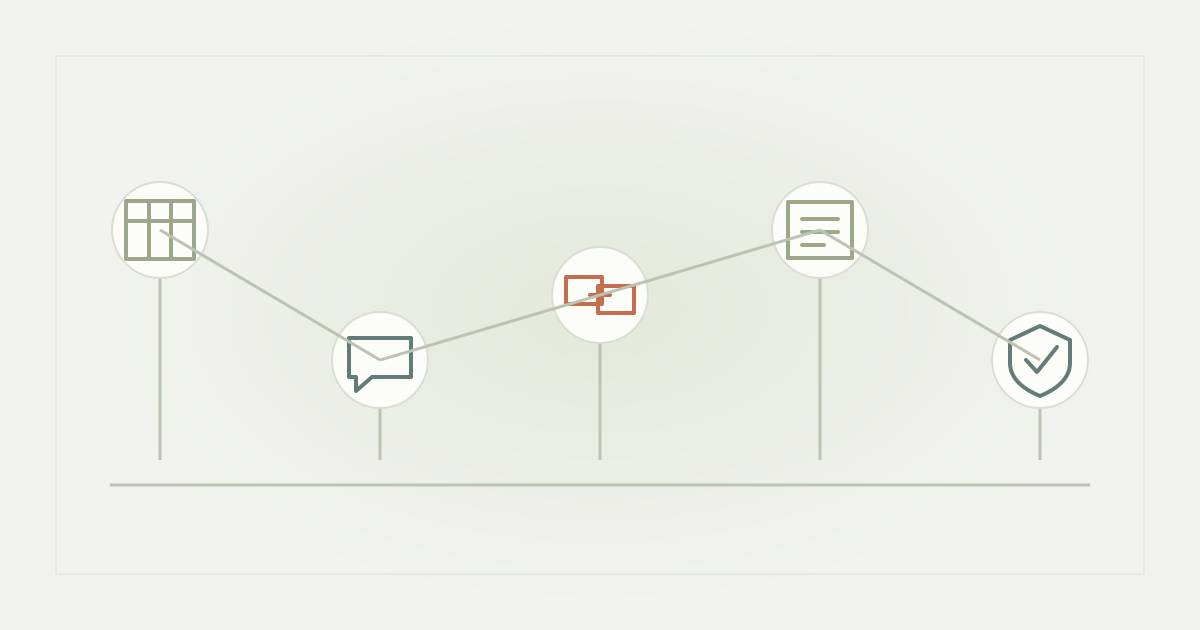
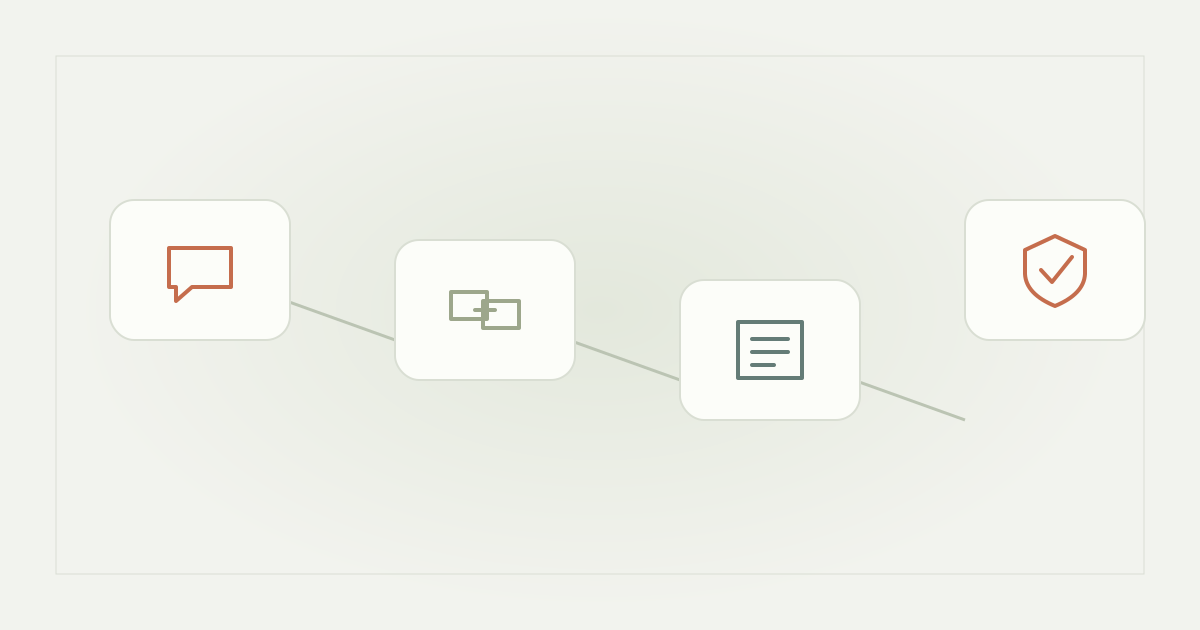
For the worksheet example, sketch four states: request received, opening accepted, recipient interaction verified, worksheet delivered. Add a safe exit at each state. If the opening fails, stop. If no qualifying response arrives, do not pretend the worksheet was delivered. If the final send has an uncertain outcome, investigate rather than sending another copy automatically.
Use distinct message copy: “Your planting worksheet is ready” for the opening and “Open the planting worksheet” for the resource action. This makes the sequence understandable when someone returns later. Read the link-delivery walkthrough for a concrete configuration.
Ask for the right diagnostics
When reporting a problem, provide the account, post, approximate time and sanitized request identifier. Keep access tokens, raw callback URLs and private conversations out of a public ticket. Ask which stage failed, what evidence exists and whether another attempt is safe.
Our diagnostic guide expands this process. RelayDM’s configurable journey and baseline acceptance do not mean general customer delivery is open. Check current product availability and your account’s readiness before publishing.
Sources and editorial notes
Source review: November 1, 2026. This is research-based guidance, not an independent hands-on test of every product. Prices and permissions can change.
Read our methodology, product-availability policy and corrections process.