 RelayDM
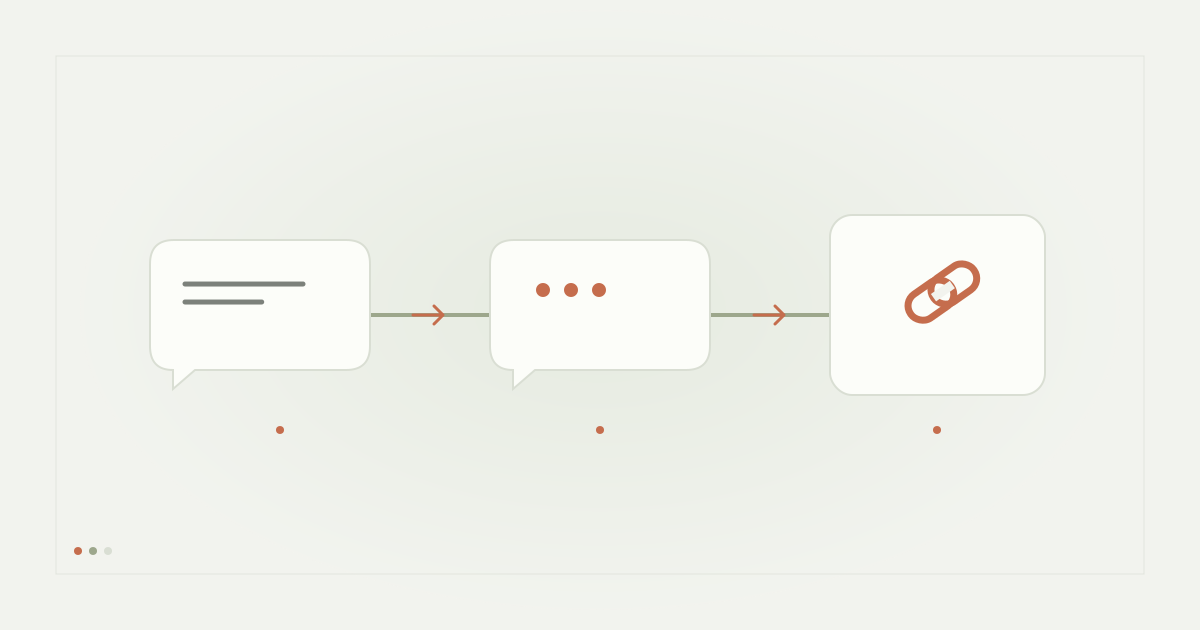
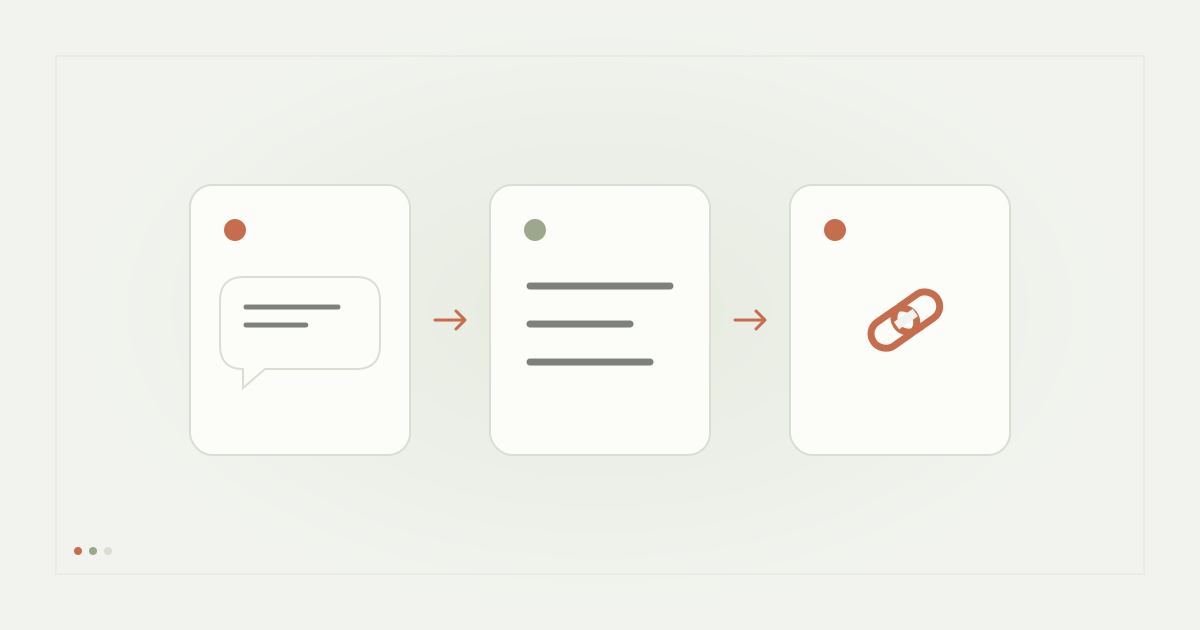
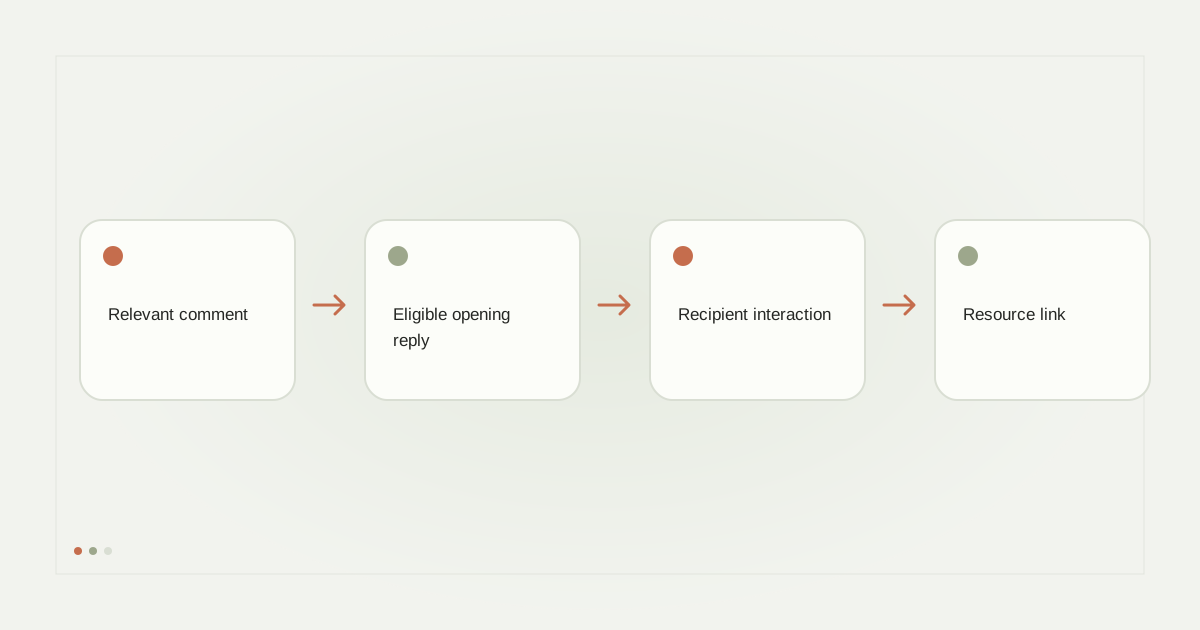
Automatically sending a link after an Instagram comment works best as a requested conversation: someone comments a keyword, receives an eligible private reply, and follows a clear path to the resource. Use an authorized Instagram integration rather than sharing your password with a script. The exact steps depend on the tool’s permissions and the recipient’s interaction.
Start with the resource, not the automation
Choose one destination before writing the post. It could be a downloadable sizing chart, a public recipe page, or a workshop registration form. Open it on a phone, check any sign-in requirement, and make sure the page explains what the commenter will receive. A perfect message cannot rescue a broken or irrelevant destination.
Keep the public promise narrow. “Comment GUIDE for the planting checklist” is easier to fulfill than “Comment anything for exclusive access.” If the destination contains an affiliate offer, sponsored material or a purchase requirement, explain that appropriately rather than presenting it as a free download.
Bind the trigger to the correct post
Select the professional Instagram account and the exact post or Reel in your tool. Add a memorable keyword and inspect how matching behaves. A useful check includes uppercase, lowercase, punctuation, a sentence containing the word, and an unrelated comment. Do not assume a tool treats all those cases identically.
Use all-comments mode only when every likely comment should receive the same response. A troubleshooting question, complaint or friend tagging another person might need a human answer instead. Relevance matters more than collecting the largest possible trigger count.
Write a helpful opening reply
The first private reply should reconnect the message to the comment. Name the resource, identify the next step and avoid an unrelated sales pitch. Native reply actions can make the next step easier, but a preview alone cannot establish that the account and message context support them.
A reply action and a URL action do different jobs. The former creates a recipient interaction your tool must recognize; the latter opens a destination. Do not assume visiting a website establishes permission for another Instagram message.
Deliver the link without adding friction
Use a short resource message and a descriptive URL-button label. “Open size guide” is clearer than “Click here.” If the tool creates a tracked link, confirm that the redirect reaches the intended HTTPS page and does not introduce an unexpected login or download.
Avoid making a promised resource conditional on unrelated marketing consent. If you invite email signups, explain the purpose separately and allow an appropriate alternative. Someone asking for one checklist has not necessarily requested a newsletter.
Test the full recipient journey
Before opening a campaign, inspect it from a consenting recipient account. Confirm the right comment triggers once, the private reply arrives, the recipient action is recognized, and the final link opens. Check Instagram Requests as well as the main inbox. A provider accepting a message is different from a person seeing or reading it.
Record the comment, interaction and message outcomes separately. Replay protection should prevent a duplicate webhook from producing a second delivery. Stop a test after an uncertain send instead of repeatedly clicking Launch or posting the same comment.
Know what is available in RelayDM
RelayDM’s Builder includes comment keywords, opening messages, resource configuration and tracked links. Genuine baseline text and native-button acceptance has been recorded, but general customer sending remains restricted while commercial delivery qualification is completed. Creating a draft or starting a subscription does not bypass that restriction.
Use this guide to plan a sound workflow, then check the live availability shown in your workspace. Review RelayDM pricing and current checkout availability before subscribing. For the wider design decisions, continue with our comment automation guide.
Sources and editorial notes
Source review: November 1, 2026. This is research-based guidance, not an independent hands-on test of every product. Prices and permissions can change.
Read our methodology, product-availability policy and corrections process.