 RelayDM
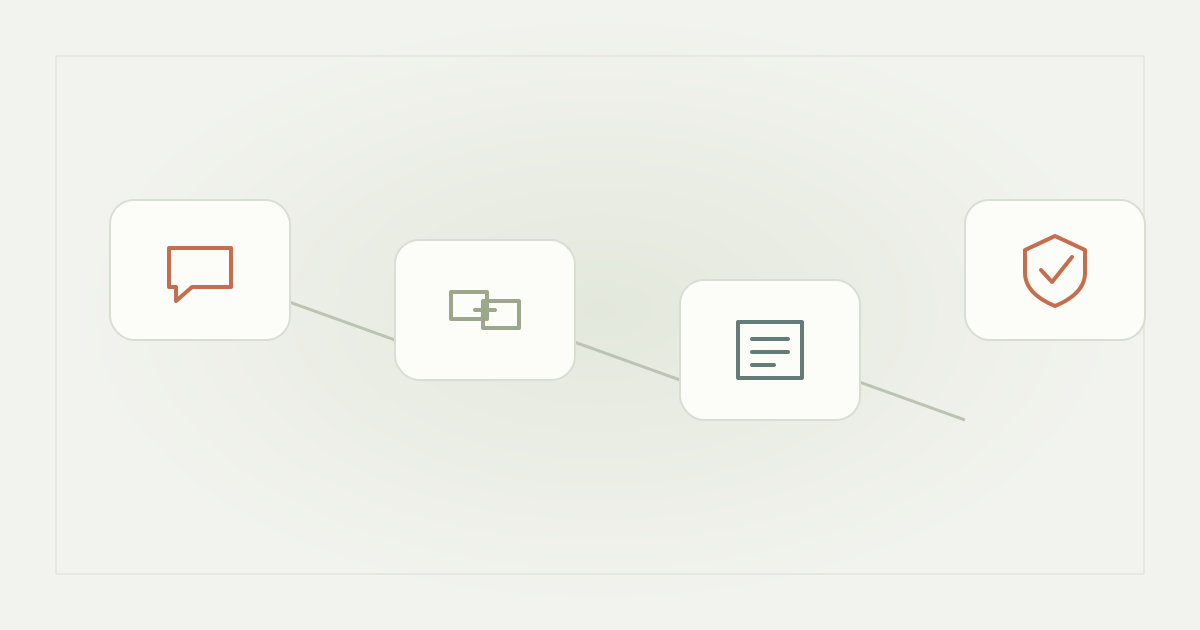
Instagram webhook automation starts when Meta sends an event to an application, such as a relevant comment or messaging interaction. The event is a notification to process, not a guarantee that a DM was delivered. Creators do not need to manage credentials to understand the distinction, but it helps them ask better support questions when a campaign appears stuck.
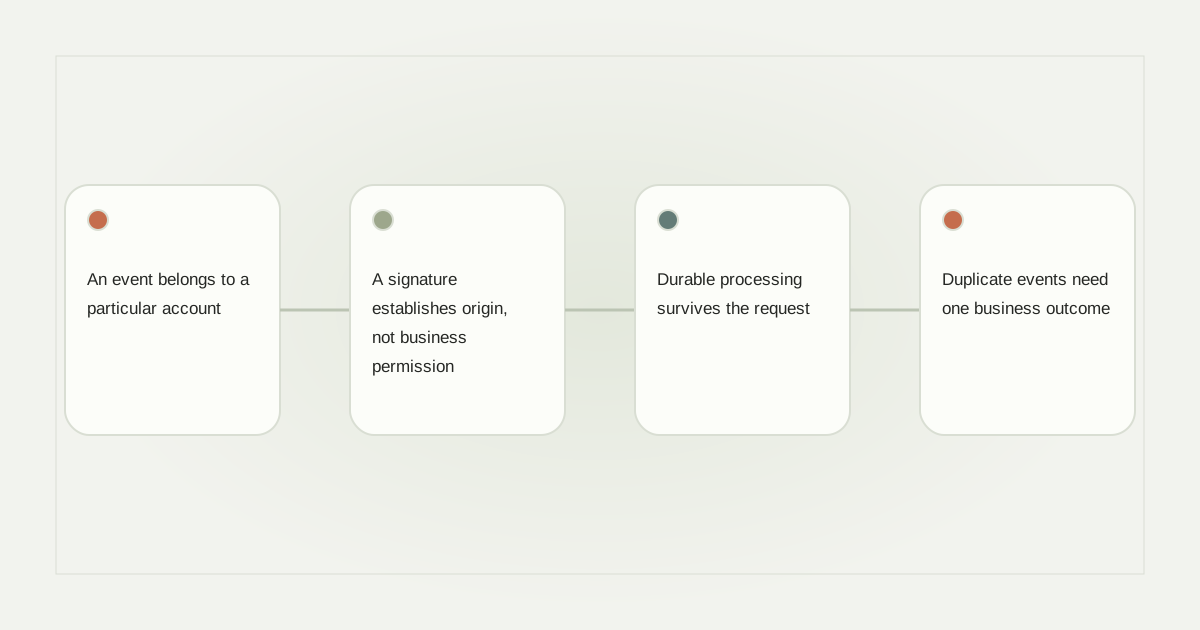
An event belongs to a particular account
A webhook payload identifies a platform context and event. The application must map it to the correct connected professional account and workspace before deciding what to do. A matching username displayed in the interface is not enough to establish that ownership.
Consider a creator who reconnects an Instagram account after changing workspaces. Historical event evidence should not automatically authorize the new association. Ask support to check the current connection and event mapping rather than simply copying a successful status from an old record.
A signature establishes origin, not business permission
An application verifies the webhook signature using its configured secret. That check helps reject forged requests. It does not mean that every signed event should trigger an automation, that a recipient requested marketing or that the workspace has an active sending entitlement.
Never paste a webhook secret or raw authorization token into a support conversation. Safe evidence includes a correlation identifier, approximate time, event type and the affected workspace. The Instagram DM platform should keep sensitive payload details out of ordinary browser errors.
Durable processing survives the request
A robust implementation accepts necessary event state durably, acknowledges the webhook promptly and processes delivery independently. Slow downstream work should not require Meta to keep the original HTTP request open until the entire customer journey finishes.
For example, a recorded job can wait for an authorized worker without losing the original comment. A temporary browser disconnect should not erase it. This is an architecture principle, not a claim that every Instagram automation SaaS uses the same queue or database design.
Duplicate events need one business outcome
A provider may deliver an event more than once. The application needs a stable deduplication boundary so repeated notifications do not create repeated opening messages. A worker claim also needs safe lease and recovery behavior if processing stops.
An uncertain provider-send outcome needs particular care. Creating a replacement job immediately can send twice if the first request actually reached Meta. Ask the Instagram DM software to retain the uncertainty and reconcile evidence, rather than automatically retrying until a green status appears.
Ask support for a stage-by-stage trace
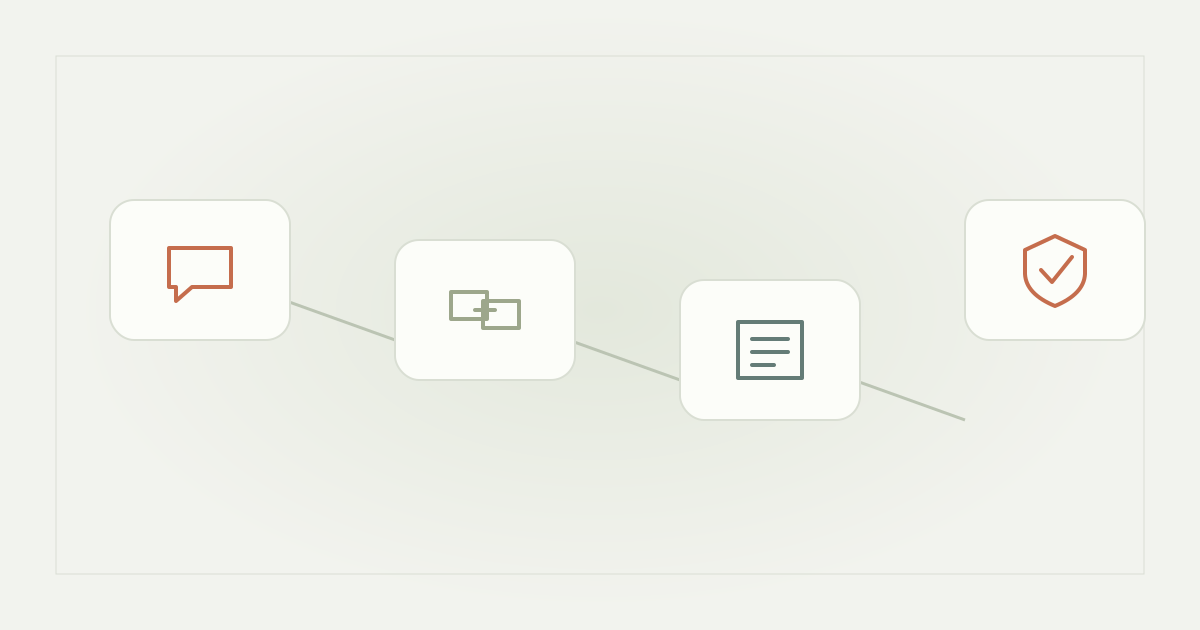
A useful incident report asks whether the event arrived, passed signature verification, matched the account and rule, created durable work and reached the provider. Include the original time zone and avoid repeatedly posting the same comment while the first event is unresolved.
RelayDM’s bounded acceptance has exercised real events, while public customer sending remains gated. A product calling itself the best Instagram bot does not remove these requirements. For an automated ebook-delivery campaign, the safe outcome is one authorized delivery with an auditable trail, not maximum retries.
The most useful support question is often “What was the last verified transition?” A durable record of a comment with no provider call points to a different repair from a provider rejection. Neither situation should be described as a recipient refusing the offer without evidence.
Read messaging limitations alongside event-based funnel reporting. Product access and delivery availability are separate from subscription pricing.
Sources and editorial notes
Source review: November 1, 2026. This is research-based guidance, not an independent hands-on test of every product. Prices and permissions can change.
Read our methodology, product-availability policy and corrections process.