 RelayDM
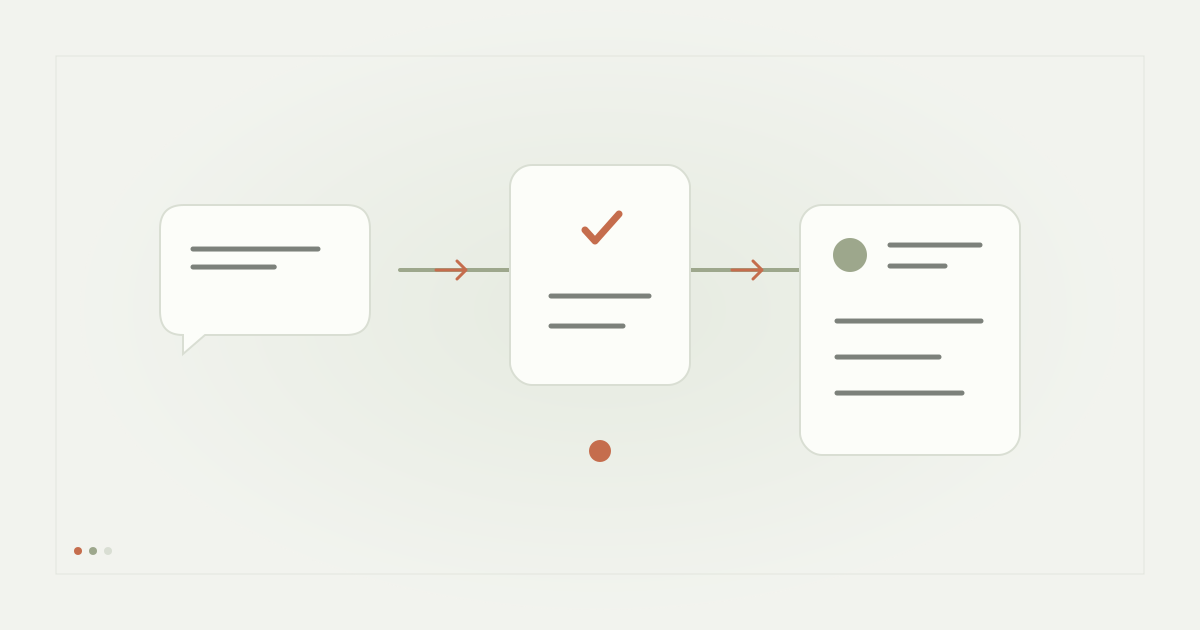
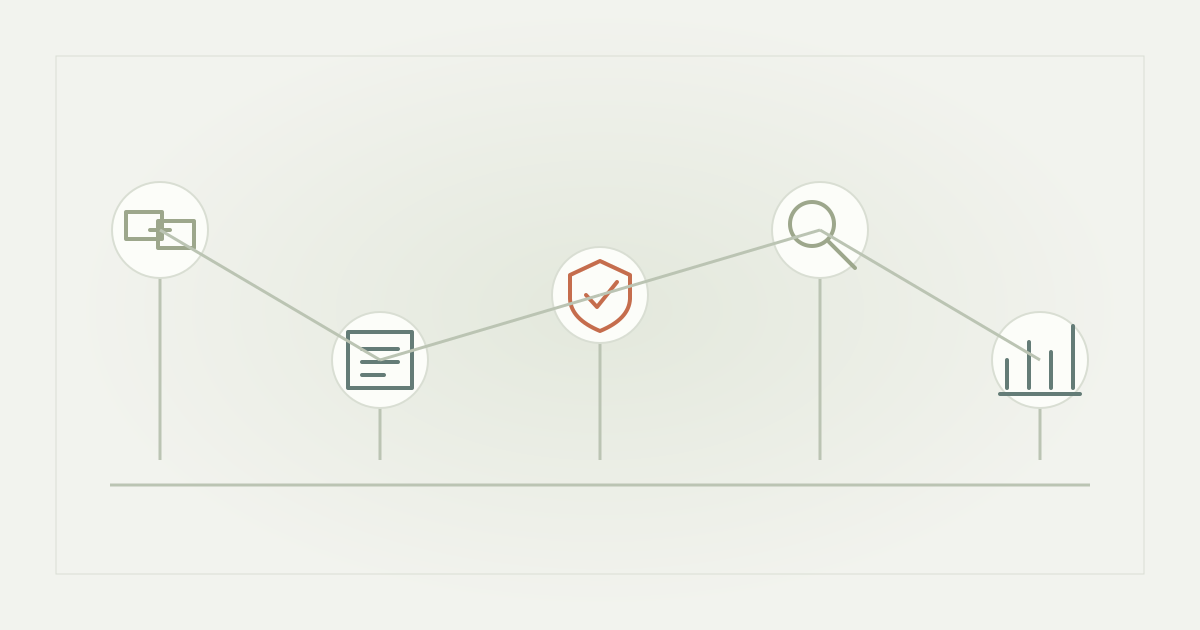
An Instagram DM funnel is a map of decisions, not a count of messages sent. Someone can request a guide, open its link and decide not to enquire. Another person may skip the guide and ask a useful question. Define those stages before choosing Instagram funnel automation, so the dashboard does not turn every interaction into a sale.
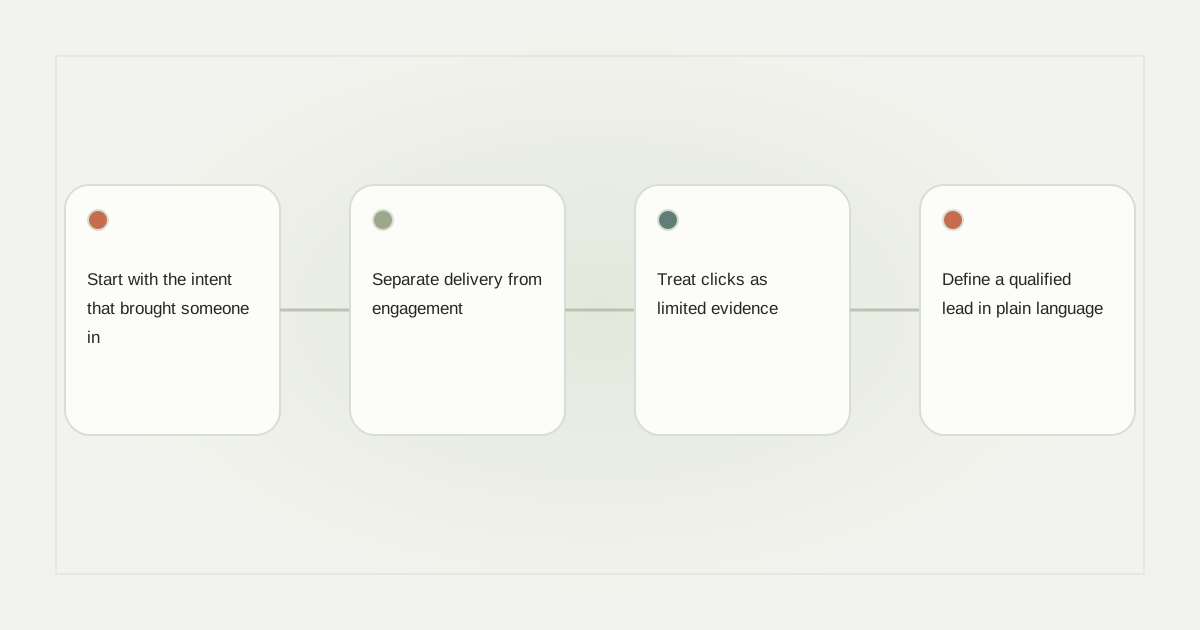
Start with the intent that brought someone in
Choose one promise for the post: a checklist, a product explanation or a booking guide. Write the question that resource answers. A comment-to-DM funnel about choosing a camera lens should not immediately become a pitch for an unrelated business course.
Make the request stage explicit. A qualifying keyword is evidence that a comment matched the rule, not proof that the commenter understood every future message. All-comments mode can capture jokes, complaints and tags as well as genuine requests. Review relevance before optimizing for volume.
Separate delivery from engagement
Use stages such as comment received, opening accepted by provider, recipient interaction observed and resource delivered. The person seeing or reading a message is a different question from the provider accepting it. Do not collapse those into one green “engaged” label.
A native reply action and a URL button also represent different events. One can produce a platform interaction; the other opens a destination. If your Instagram lead funnel relies on a reply to continue, verify that the signed interaction is associated with the correct account and conversation.
Treat clicks as limited evidence
Tracked links can help associate a resource visit with a campaign. They cannot by themselves prove that the visitor read the page, bought a product or is the original Instagram recipient. Redirect failures, repeated visits and privacy choices can complicate attribution.
For example, report “guide-link visits” separately from “submitted consultation forms.” If you do not receive trustworthy form or booking evidence, leave that downstream stage unmeasured. Honest missing data is more useful than a conversion figure created by multiplying assumptions.
Define a qualified lead in plain language
A qualified lead might be a consenting person who requests contact about a relevant service and provides the minimum information needed for a response. Define that with the team. A newsletter signup, support request and sales enquiry should not automatically share the same classification.
Instagram lead capture should preserve the purpose attached to submitted details. If a person sends an email to receive a requested file, do not silently mark them as consenting to every marketing campaign. Give staff a route to correct or remove inappropriate classifications.
Use the funnel to find repairable friction
If requests arrive but resources are not delivered, inspect platform eligibility and processing before rewriting the headline. If links open but enquiries are rare, review the destination and audience fit. The correct repair depends on the failed stage, not the overall follower count.
RelayDM’s general customer sending remains restricted; preparing a funnel is not activating one. Evaluate Instagram lead automation using actual delivery availability and clear definitions. Start with a small, authorized journey and do not represent a simulated phone preview as recipient evidence.
Use webhook evidence to understand the event stages and workflow templates to plan a campaign. Check RelayDM plans and restrictions before buying.
Sources and editorial notes
Source review: November 1, 2026. This is research-based guidance, not an independent hands-on test of every product. Prices and permissions can change.
Read our methodology, product-availability policy and corrections process.