 RelayDM
Instagram automation templates for lead generation are more useful as decision recipes than as messages to copy blindly. The resource, recipient action and follow-up purpose must fit the campaign. These three planning templates describe different requests, with explicit stop conditions. They are hypothetical examples, not claims of measured results or proof that a particular account can send every message.
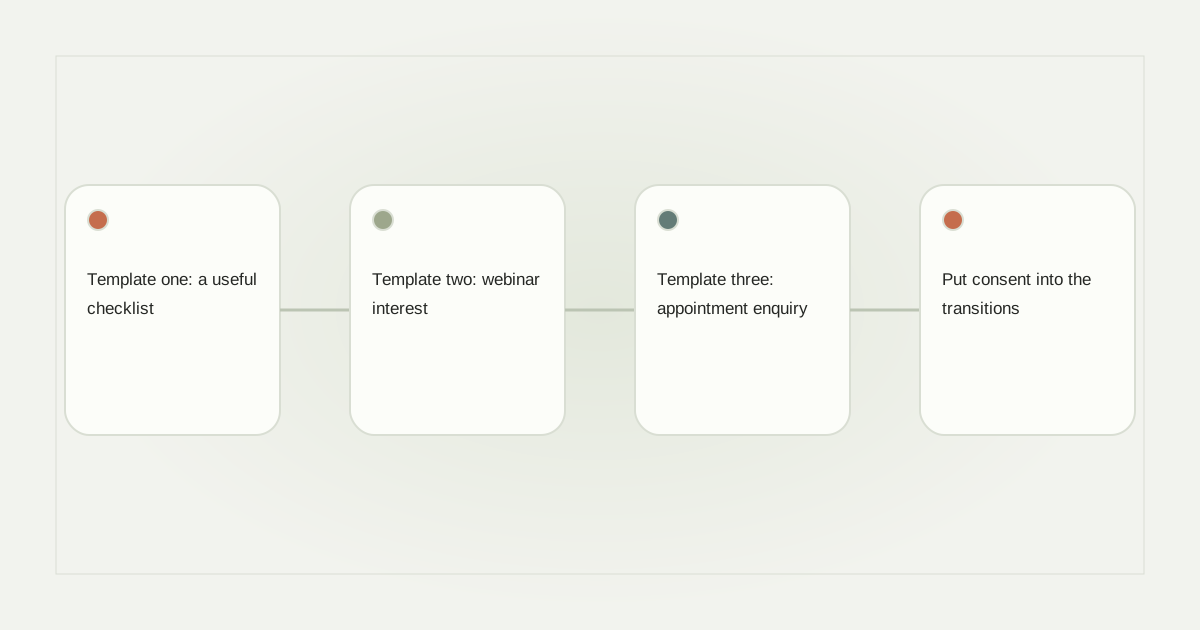
Template one: a useful checklist
A consultant posts a short demonstration of a website review and invites “Comment REVIEW for the checklist.” The opening identifies that checklist. After a supported recipient interaction, the resource message links to an accessible page that contains the promised steps. Keep any consultation invitation secondary.
Stop if the selected post is wrong, the resource needs an unexpected purchase or the platform cannot verify the recipient interaction. A successful link delivery is the end of this requested task. It does not automatically authorize another message asking why the person has not booked a call.
Template two: webinar interest
A course creator can share an event-information page in response to a relevant keyword. The page should show the date, time zone, intended audience and registration terms. The DM delivers information; the registration system must separately confirm a place and any reminder preferences.
For Instagram lead generation for course creators, distinguish “send me the details” from “register me.” If a webinar is full or over, update the destination to explain the actual state. Do not quietly replace a requested event with a new mailing-list enrollment.
Template three: appointment enquiry
A local service business shares a service guide and a link to its booking system. A hypothetical message is “Here are the service details. You can check available appointments on this page.” Only the booking platform should confirm a slot.
The automation should stop or hand off when the customer asks about an exception, sensitive personal circumstances or an unavailable date. Instagram lead generation for consultants and creators often involves personal judgment; a template should make that human decision visible rather than inventing certainty.
Put consent into the transitions
If the business invites email contact, explain the purpose at the collection point. “Would you like the event details by email?” differs from “Subscribe to our weekly newsletter.” Provide an appropriate way to decline and avoid withholding a resource that was promised without that condition.
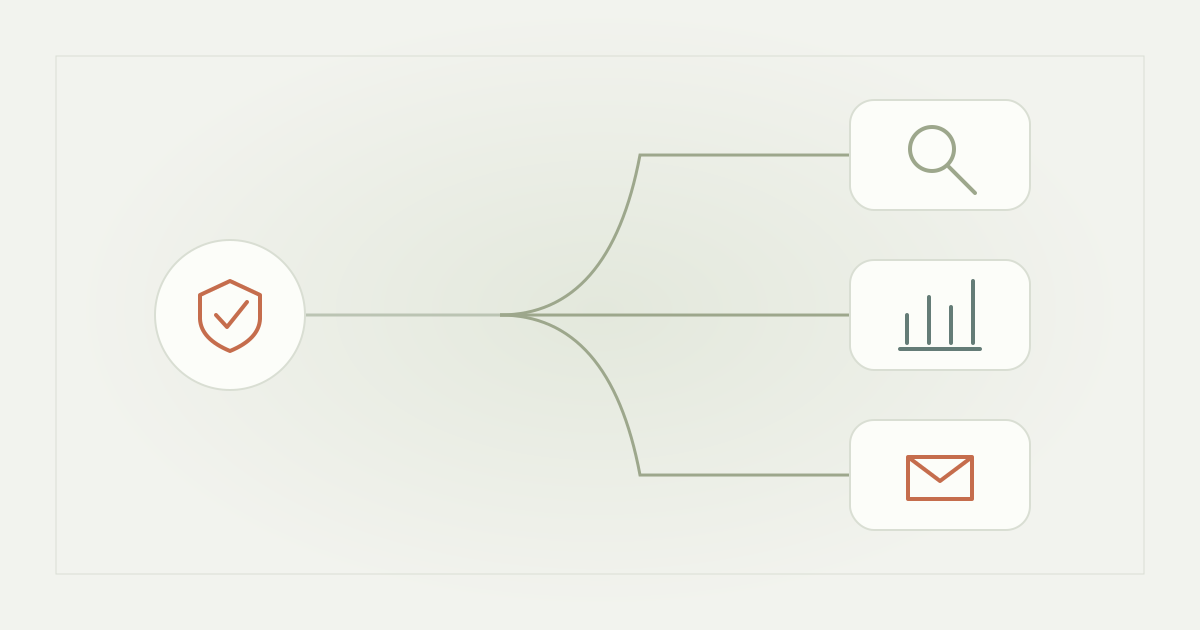
For each template, write a small state map: requested, opening accepted, resource delivered, optional details submitted and handed off. Keep the person’s actual choice with the record. An Instagram lead generation software export should not erase the distinction between a requester and a marketing subscriber.
Use a test matrix before copying the recipe
Review a matching comment, an unrelated comment, duplicate delivery, a recipient who declines contact collection and a broken destination. Record what should happen and who resolves failure. Native buttons require actual account and message-stage support, not just the appearance of the template editor.
RelayDM has recorded bounded text and native-button acceptance, but general customer sending remains gated. These recipes do not activate it. AI lead generation on Instagram is not a replacement for an accountable campaign owner, verified platform access and truthful resource promises.
Adapt the lead-capture sequence and compare funnel stages before selecting a recipe. See RelayDM’s current product availability separately.
Sources and editorial notes
Source review: November 1, 2026. This is research-based guidance, not an independent hands-on test of every product. Prices and permissions can change.
Read our methodology, product-availability policy and corrections process.