 RelayDM
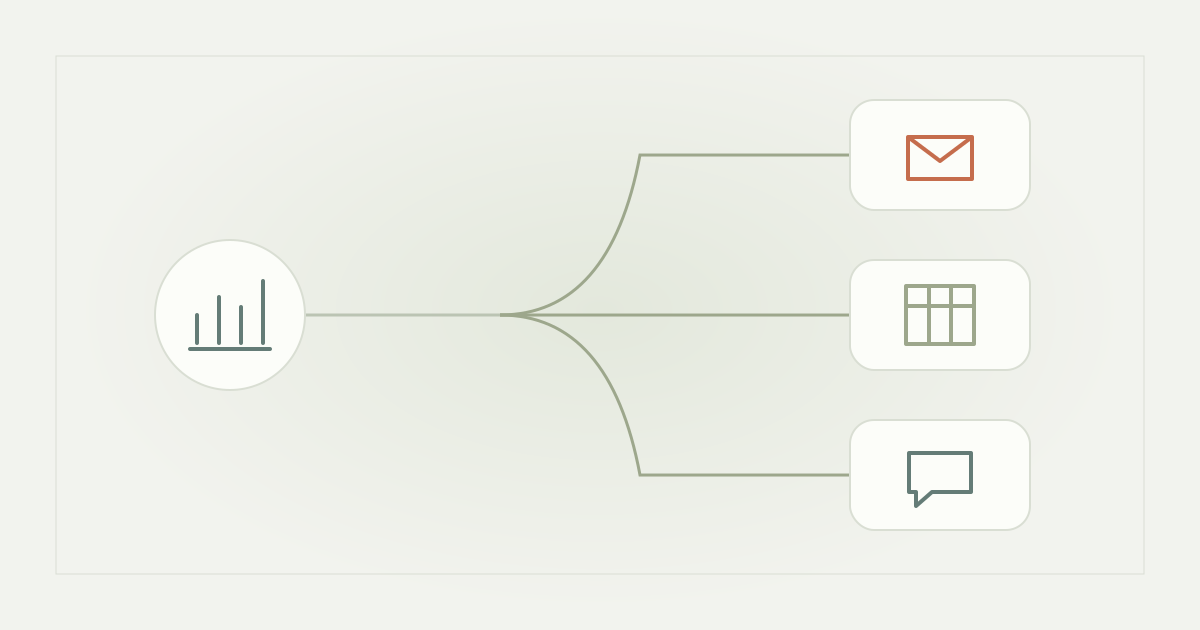
Instagram automation for ecommerce stores should help shoppers get accurate product information before they decide to buy. A comment asking for a size chart is not an abandoned cart, a completed order or permission for repeated promotions. Start with the question the product post creates, and keep inventory, checkout and customer support connected to their actual sources of truth.
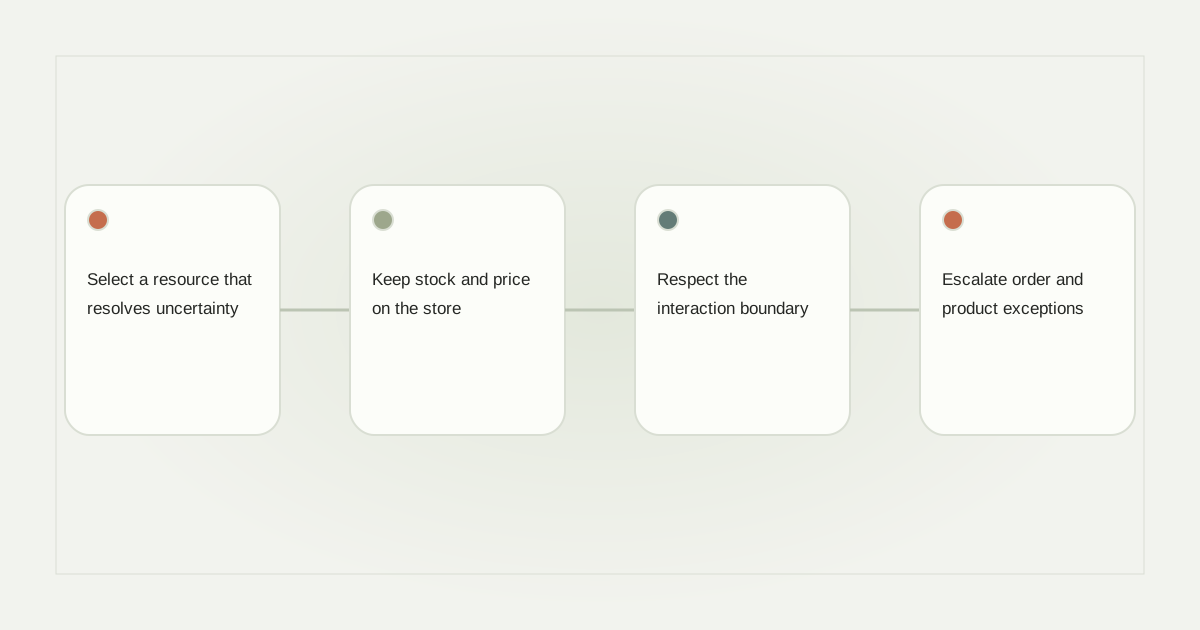
Select a resource that resolves uncertainty
A footwear Reel can invite “Comment FIT for the measurement guide.” The linked page should explain how to measure, which units it uses and how the chart relates to the product. A generic homepage forces the shopper to repeat the search and can make a helpful-looking automation frustrating.
Give each guide an owner and check it when the product changes. If a chart covers only one range, label that limitation. Avoid silently substituting a different product when an old campaign continues attracting comments after an item has been discontinued.
Keep stock and price on the store
A DM can introduce the product and link to the current page. It should not claim that a size is in stock unless the system actually checks authoritative inventory at the relevant moment. Prices, delivery estimates and discount conditions also belong on maintained store pages.
Comment automation for ecommerce stores can reduce repeated information requests without becoming an order-management system. Describe a URL action as “View product” or “Open size guide,” not “Complete order” when the click merely opens a website. A redirect visit is not a purchase receipt.
Respect the interaction boundary
Use a supported opening reply and recipient interaction where the conversation requires them. An Instagram chatbot for a store does not gain unrestricted messaging rights because the store has many followers. Check the professional account, permissions and actual message format before advertising the flow.
Do not turn every resource request into an abandoned-cart reminder. Such a reminder requires appropriate eligibility, relevant customer context and a supported implementation. A marketing screenshot or a draft toggle is not evidence that a particular reminder can lawfully or technically be sent.
Escalate order and product exceptions
Questions about a lost parcel, a charge or an account need an appropriate support route. Do not ask a shopper to post their address or order details publicly. Direct them to the approved support form, where staff can verify the request without exposing private information.
Product-safety and individual suitability questions may need qualified human review. Keep automated answers factual and limited to verified product documentation. If the information is unavailable, an honest handoff is better than a confident guess intended to keep the funnel moving.
Test and report the real sequence
Test a matching comment, a nonmatching comment, the opening action and the final destination from a consenting account. Check that the destination remains correct after tracking and that the same event cannot create duplicate deliveries. Include the discontinued-product path in the review.
RelayDM currently supports preparing these configurations while general customer delivery remains gated. Its qualified public UPI trial checkout does not automatically enable ecommerce sending. Evaluate Instagram DM automation for ecommerce stores against actual workspace availability, rather than treating a subscription purchase as provider permission.
Continue with customer-support escalation and funnel measurement definitions. Review RelayDM pricing and current restrictions before choosing a plan.
Sources and editorial notes
Source review: November 1, 2026. This is research-based guidance, not an independent hands-on test of every product. Prices and permissions can change.
Read our methodology, product-availability policy and corrections process.