 RelayDM
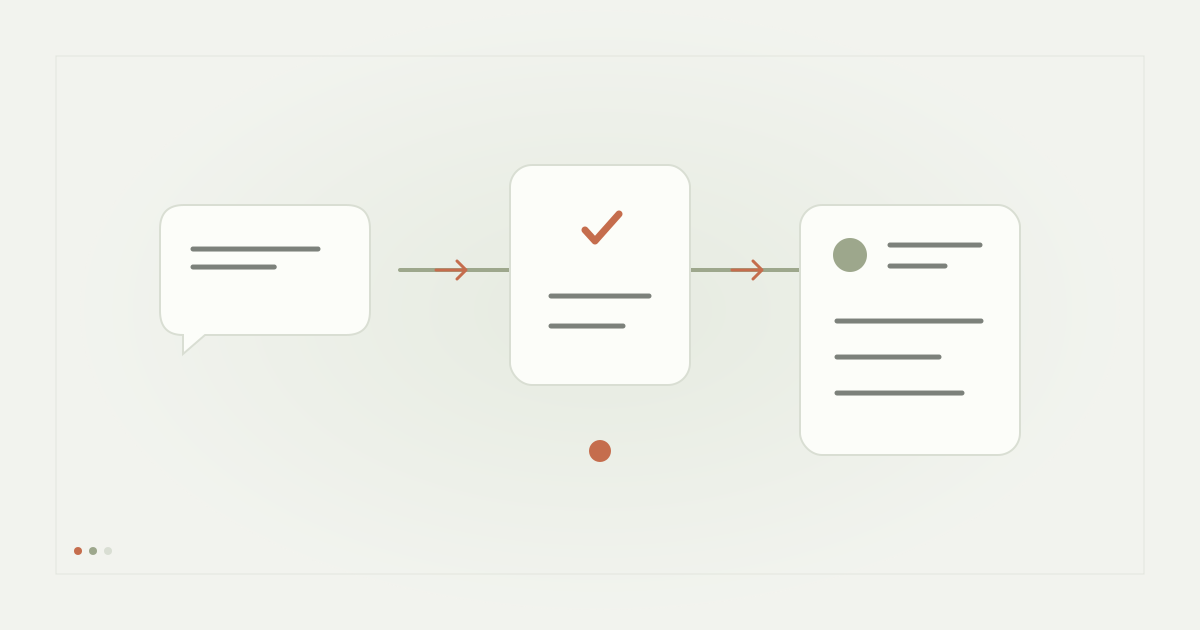
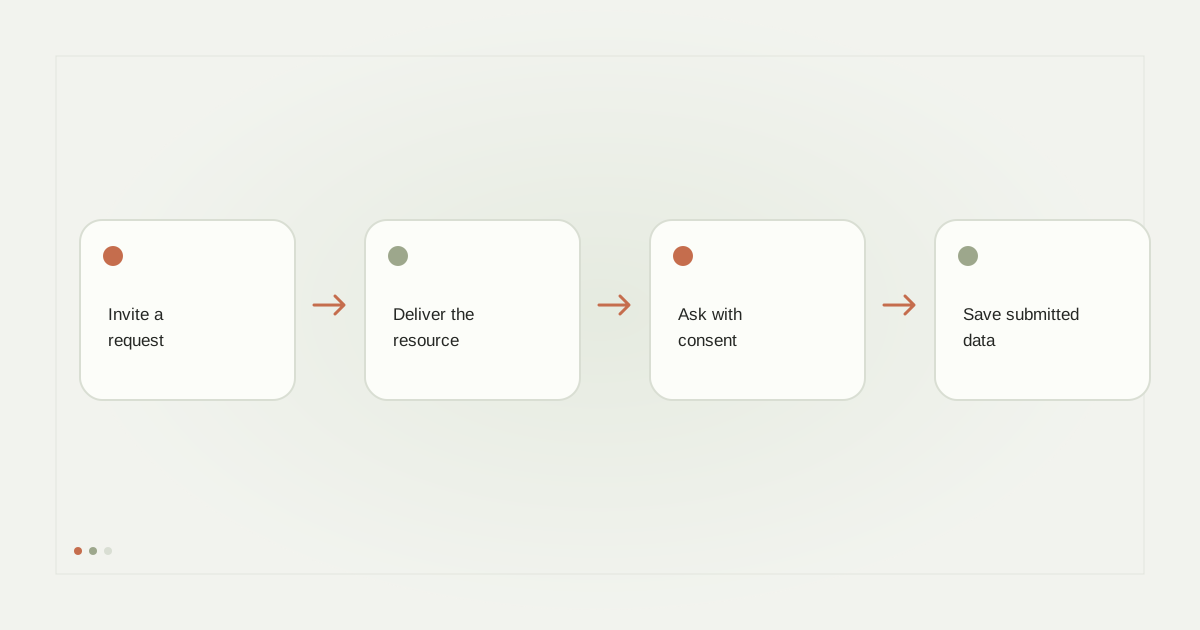
Instagram comment lead generation starts with a relevant invitation, not a list of people to contact indiscriminately. Offer something specific, deliver through a supported conversation, and ask for additional details with a clear purpose. A comment expressing interest is not automatically consent to future email marketing.
Choose a resource that qualifies interest
A useful resource helps the person decide or act. A wedding photographer might offer a planning checklist; a tutor might share a revision planner; a software team might provide a workflow worksheet. The closer the resource is to a real problem, the more meaningful the response becomes.
Avoid a vague “secret” offer that only reveals a sales pitch. Explain what the commenter will receive and whether it requires payment, registration or another action. A smaller group of well-matched requests is more useful than a large number of disappointed contacts.
Write the public invitation
Keep the action simple: name one keyword and one resource. Specify whether the response arrives privately. Do not ask people to post phone numbers or email addresses publicly under the post.
Choose keywords that are easy to type and unlikely to match unrelated discussion. Check the exact post association and matching behavior. Read our comment automation guide if your audience uses several languages or mixes resource requests with support questions.
Deliver the promised value
The opening DM should identify the resource and offer the next supported action. After an eligible recipient interaction, the delivery message should make the destination clear. Use a descriptive label such as “Open planning worksheet” rather than a generic “Get access.”
Do not silently withhold a promised resource to obtain unrelated personal data. If an email is genuinely required for the service, explain that before the person requests it and use a technically supported, consent-aware flow. Otherwise, offer the resource first and make future contact optional.
Ask one useful question
Decide what information you truly need. An email address may be enough for a requested follow-up; a phone number can create a higher privacy and operational burden. Do not collect both simply because the form offers both.
Explain the purpose, how the detail will be used and whether future marketing is optional. Validate the input without sending an endless loop of correction messages. Preserve a supported skip or stop action and make sure the person can reach a human for an unexpected question.
Store context with the lead
A useful lead record includes the originating resource or campaign, the collection time and the relevant permission. Keep those facts associated with the correct workspace and Instagram account. A bare exported email address tells the next operator too little about what was requested.
Use access controls and appropriate retention rather than sharing full conversation logs casually. When exporting, include only the fields needed for the stated task. Review your privacy notice and correction/deletion process; this guide does not determine your jurisdiction-specific legal obligations.
Measure the entire path
Separate matching comments, opening-message acceptance, recipient actions, resource visits, submitted details and qualified enquiries. If many people request the resource but few volunteer email, the offer may be useful without creating newsletter interest. That is not a technical failure by itself.
Do not label every commenter a lead or every link visit a conversion. Compare campaigns with the same definitions, note repeat visits and avoid claiming unique customers when the tool records only redirect requests.
Prepare the workflow in RelayDM
RelayDM’s Builder and lead-capture implementation can represent resource and email-after-link configurations. General customer sending and the complete advanced journey remain production-gated; saving a draft is not a verified live lead-generation campaign. Existing Leads, Inbox and Activity views should show only genuine recorded outcomes.
Plan the sequence with our resource-delivery tutorial, review interaction and safety boundaries, and check current RelayDM availability before committing to a campaign.
Sources and editorial notes
Source review: November 1, 2026. This is research-based guidance, not an independent hands-on test of every product. Prices and permissions can change.
Read our methodology, product-availability policy and corrections process.