 RelayDM
Instagram lead capture should begin with a question: what detail is necessary to fulfil this person’s request? Collecting everything available creates more responsibility without necessarily producing a useful lead. Design the collection around a stated purpose, a supported conversation and a clear way to decline.
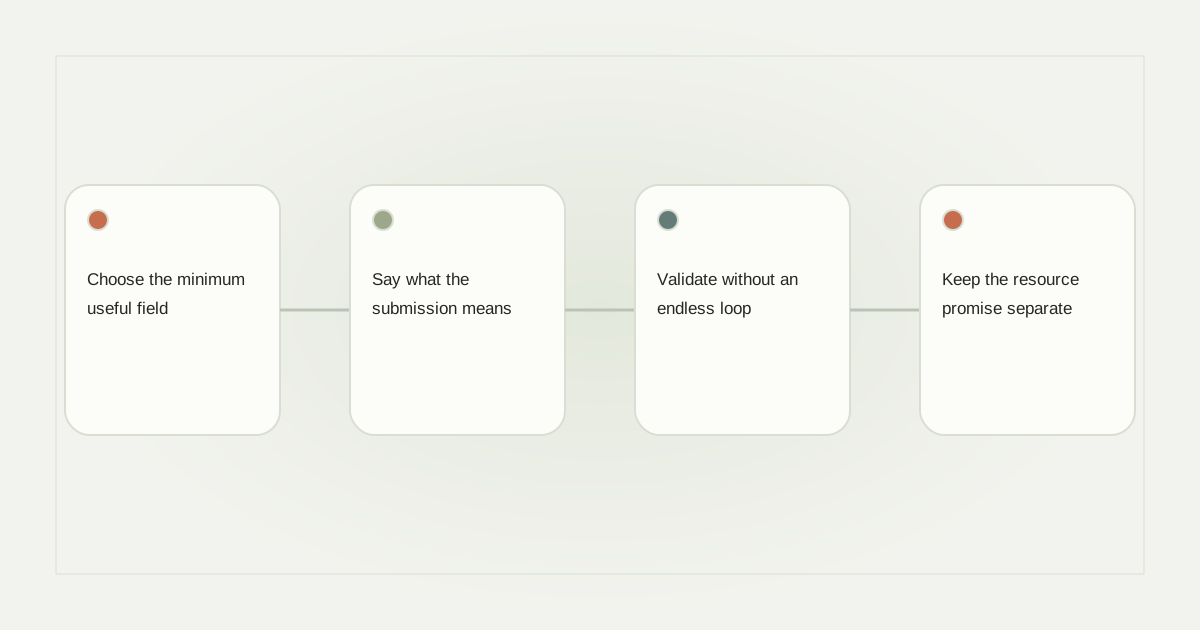
Choose the minimum useful field
A studio offering a downloadable seating planner may need no personal information beyond the existing interaction. If someone requests an email copy, an email address may be sufficient. A phone number, postal address and event date would require separate justification rather than being default additions.
Create a small field inventory: field name, purpose, required or optional, person responsible and retention decision. Remove fields whose purpose is merely “might be useful later.” That exercise also makes exports easier to interpret because each column has a reason to exist.
Say what the submission means
“Share an email for a copy of the planner, or skip” describes a requested service. “Share an email to receive future promotional updates” describes another purpose. Do not record both as the same consent just because both involve the same address. Use the product’s complete notice and obtain appropriate advice for your circumstances.
A practical example is a two-part record: the person requested the planner at one time, then separately opted into a named update list at another. If the second event did not happen, the record should not imply it did. Avoid asking the automation to infer consent from silence.
Validate without an endless loop
Input validation should catch obvious formatting mistakes while allowing a person to correct or skip. A syntactically plausible address is not proof of ownership or deliverability. Do not label a captured address “verified” unless a genuine verification process establishes that status.
For an invalid entry, a concise response could say: “That does not look like an email address. Please check it, or reply SKIP.” Decide how many correction prompts are appropriate and what happens to unrelated replies. Sensitive questions and complaints belong with a person, not in a repetitive collection loop.
Keep the resource promise separate
If the caption promised a free guide, unexpectedly withholding it until someone supplies extra information can undermine trust. Either explain the requirement before the request or deliver the resource first and offer optional follow-up. The technical sequence must match the promise the person saw.
Our comment lead-generation guide covers the invitation. The message examples help distinguish a requested copy from a broader subscription. Neither replaces the permissions required for messaging.
Preserve context and limit access
Store the originating campaign, collection time and relevant choice alongside the field, within the correct workspace. Avoid casually exporting full conversation histories when a contact list is enough. Assign responsibility for corrections, deletion requests and retention review rather than leaving old CSV files on shared drives indefinitely.
Meta’s profile API describes an interaction-dependent identity context. Do not confuse an available Instagram identifier with permission to collect unrelated details. RelayDM represents email-after-link configurations, but general customer delivery remains gated. Review current availability before expecting a saved draft to run.
Sources and editorial notes
Source review: November 1, 2026. This is research-based guidance, not an independent hands-on test of every product. Prices and permissions can change.
Read our methodology, product-availability policy and corrections process.