 RelayDM
An Instagram lead-magnet funnel is useful only if the resource solves the problem named in the post. Start with that outcome, then design the conversation around obtaining it. A long sequence cannot rescue an irrelevant checklist, a broken destination or an invitation that hides what happens next.
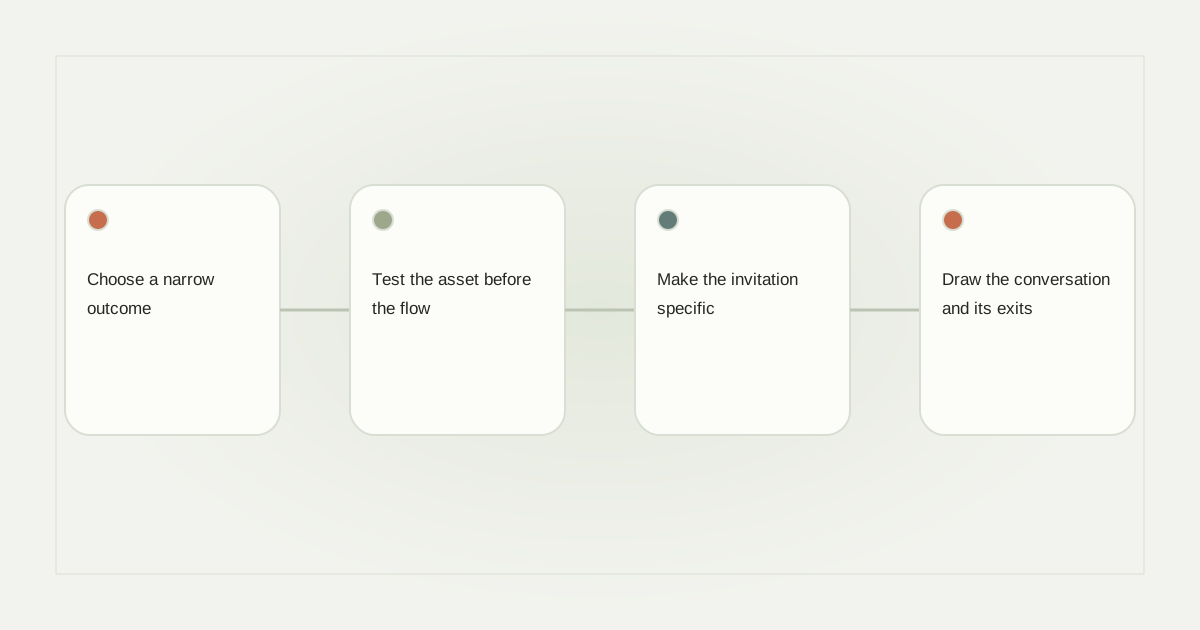
Choose a narrow outcome
A broad “business guide” is hard to evaluate. A worksheet for calculating the materials needed for one craft order is easier to describe and use. Write a sentence completing this prompt: “After opening this resource, the reader can…” If the sentence contains several unrelated tasks, narrow the offer.
For example, a candle maker might provide a packaging-cost worksheet rather than a complete course on running a shop. The Reel demonstrates one cost calculation, the caption invites PACKING comments and the resource continues the same task. This is a hypothetical planning example, not a measured campaign result.
Test the asset before the flow
Open the destination on a phone while signed out of your own account. Check file permissions, text size, download requirements and whether the first useful step is obvious. A guide that works only because its creator is logged in is not ready for an audience.
Write an asset checklist: title matches the offer, instructions are complete, links work, revision date is meaningful and ownership is clear. If the resource changes location, maintain an intentional redirect rather than leaving old messages pointed at a missing file. Keep the destination free of unnecessary sign-in surprises.
Make the invitation specific
Use language such as “Comment PACKING for the worksheet used in this example.” Avoid claiming instant delivery if account eligibility or platform processing can delay it. Explain any genuine requirement before the person requests the resource; do not reveal an unexpected data gate afterwards.
Keyword design belongs in the matching-rules guide. For this plan, record one post, one resource and one principal action. That makes a later mismatch easier to find than a campaign whose destination changes depending on undocumented assumptions.
Draw the conversation and its exits
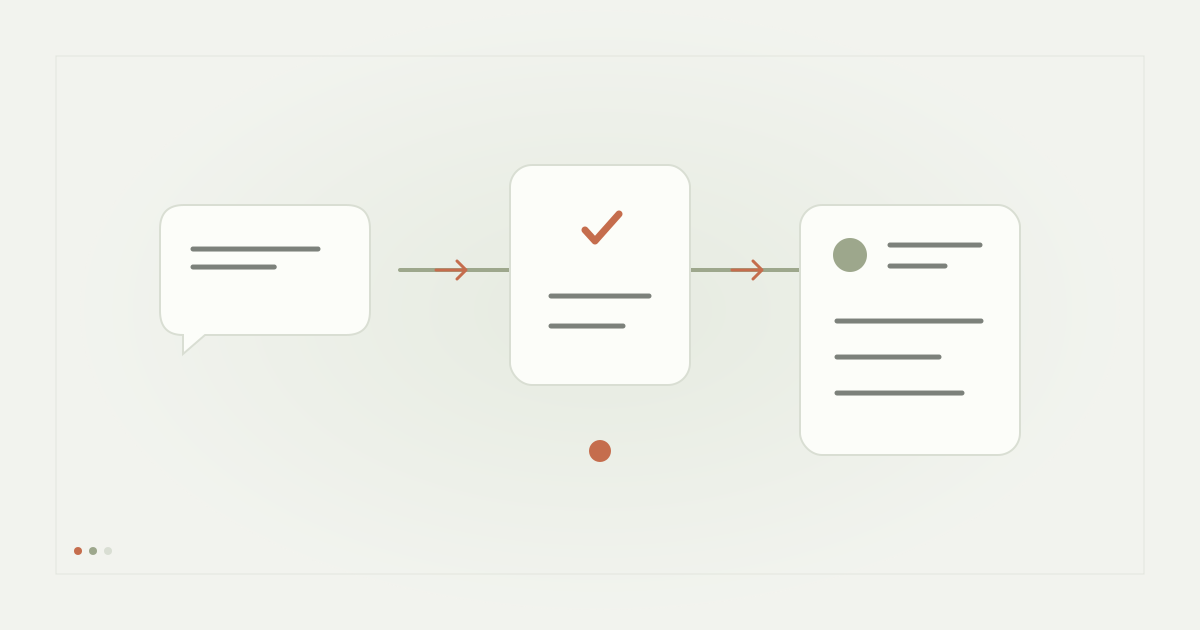
Sketch the request, eligible opening, recipient interaction and resource delivery. Mark what happens if the person never replies, asks a different question or wants to stop. Meta’s private-reply rules govern the initial message; a resource request does not establish an unlimited nurture sequence.
Optional email collection should have its own purpose and notice. If the promised worksheet does not require an email, consider delivering it before offering an email copy. A lead magnet should remain useful to someone who declines future updates.
Evaluate relevance, not just volume
Record the number of valid requests, accepted resource messages, visits and useful enquiries as separate stages. Ask whether recipients could complete the intended task. A small number of relevant questions may be more informative than a large pile of context-free contacts.
Use our measurement definitions to avoid equating clicks with sales. RelayDM can help prepare these configurations, but general customer sending is still restricted. Check current plans and availability before scheduling a public campaign or promising automated delivery to your audience.
Sources and editorial notes
Source review: November 1, 2026. This is research-based guidance, not an independent hands-on test of every product. Prices and permissions can change.
Read our methodology, product-availability policy and corrections process.