 RelayDM

Instagram DM analytics become useful when each number describes a specific event. “Conversions” is too vague if the underlying measurement is merely a redirect request. Build a small funnel of evidence, state what each stage proves and resist combining numbers collected with different definitions.
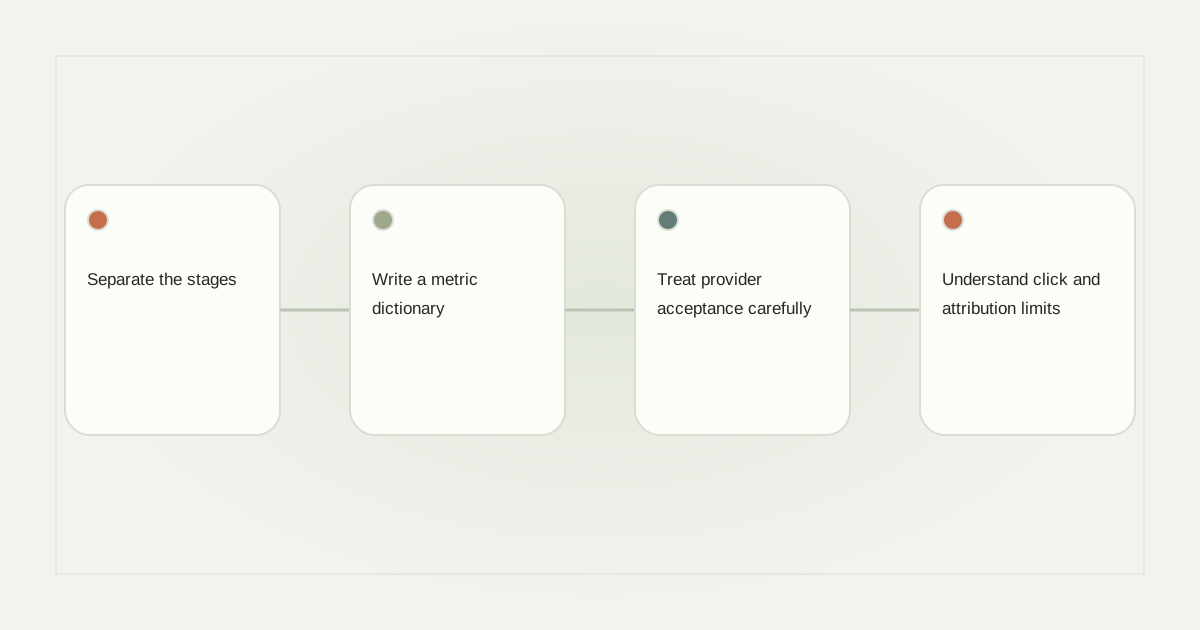
Separate the stages
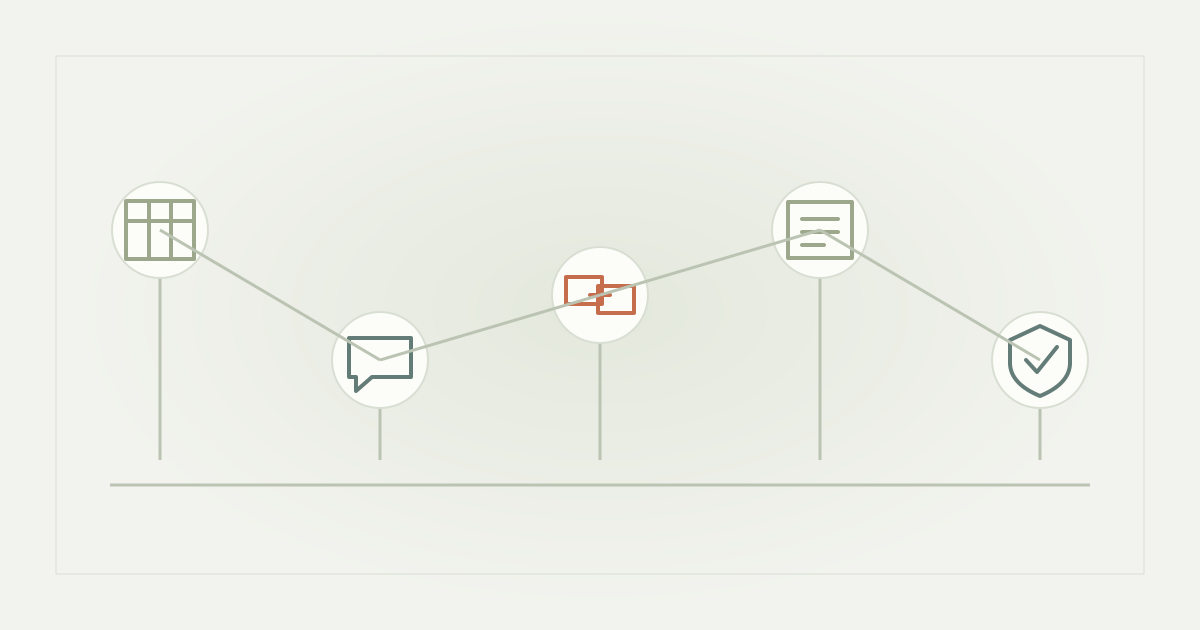
A practical resource campaign might record a matching comment, an accepted opening message, a qualifying recipient action, an accepted resource message, a link request and a submitted enquiry. Each step answers a different question. The absence of a later step does not automatically mean an earlier step failed.
Meta’s private-reply documentation separates the initial reply from follow-on interaction. Your report should preserve that distinction. Do not count an opening response and a final resource message as two new people unless the metric explicitly measures message attempts.
Write a metric dictionary
For every column, specify the event, unit, time zone, deduplication rule and exclusions. “Resource clicks” might mean every redirect request or one request per identified conversation. Those are different metrics even if a dashboard uses the same label.
Example dictionary entry: “Resource requests: valid qualifying comment events for the selected campaign, counted once per accepted event identifier.” Add whether test activity is excluded. Keep the definition beside the chart so a new teammate does not interpret the total as purchases or unique customers.
Treat provider acceptance carefully
An API response can establish that the platform accepted a send request. It does not, by itself, prove that a person saw or read the message. If a product provides genuine delivery or read evidence, report that as a separate stage with its own availability limits.
Suppose a hypothetical worksheet campaign has forty matching requests, thirty accepted openings and twelve resource visits. Those figures do not reveal why the other people did not visit. Some may not have responded, some may not have opened Requests and some may have chosen to stop. Investigate the missing stage before changing copy.
Understand click and attribution limits
Repeated taps, previews, security checks and shared links can complicate click totals. A redirect log is useful operational evidence, but it should not automatically be labelled a unique human visit. Similarly, a purchase after a visit is not necessarily caused solely by the DM campaign.
Use campaign-specific destinations or parameters where appropriate, without placing private identifiers in public URLs. Compare equivalent periods and note changes in offer, audience or placement. Our funnel-planning guide explains why a clear offer helps interpretation.
Turn the report into a task
Choose one investigation from the weakest evidenced transition. If comments arrive but openings are absent, inspect trigger and provider records. If resources arrive but questions reveal confusion, improve the asset. If people decline optional email collection, review the value and wording rather than treating refusal as a bug.
Pair the report with diagnostic checks and preserve the raw evidence safely. RelayDM views should reflect genuine recorded activity; general customer delivery remains gated. Review current availability rather than interpreting empty analytics as proof that a saved draft has run.
Sources and editorial notes
Source review: November 1, 2026. This is research-based guidance, not an independent hands-on test of every product. Prices and permissions can change.
Read our methodology, product-availability policy and corrections process.