 RelayDM
Instagram automation costs are easiest to compare when you separate the subscription from the work it buys. A low monthly number may cover a small contact allowance, while a larger price may include more accounts or team access. Start with a usage worksheet rather than choosing the cheapest headline.
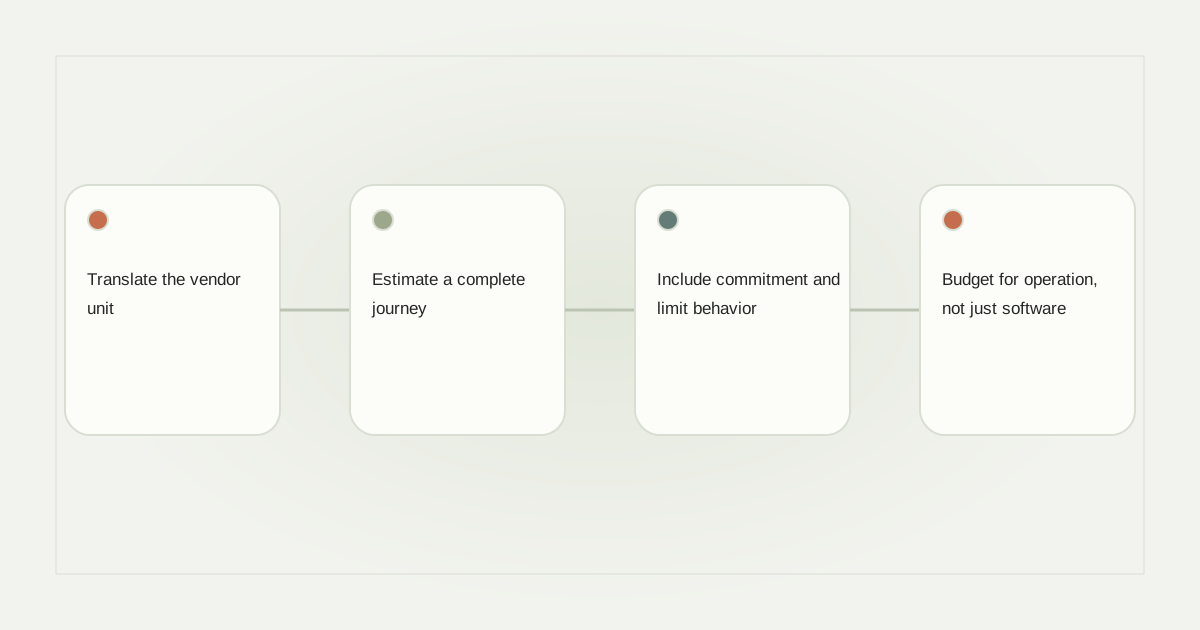
Translate the vendor unit
List each product’s billing unit: active contacts, DMs, credits, accounts, seats or another defined measure. Ask exactly when that unit is consumed. A contact is not automatically one message, and a follower is not automatically a billable conversation.
Manychat’s Active Contacts explanation and LinkDM’s published DM/account allowances illustrate why units matter. Compare each against your actual task instead of forcing them into a misleading single “cost per follower.”
Estimate a complete journey
Suppose a hypothetical campaign receives three hundred valid resource requests. An opening and a resource message could mean two outgoing attempts per completed journey, while not everyone continues after the opening. Optional prompts add another cost and permission consideration. Do not multiply every follower by a message count.
Create normal and peak scenarios. For each, record requested conversations, expected stages, connected accounts and staff handoffs. Use ranges where you lack evidence. Keep the assumptions beside each scenario so a colleague can adjust a campaign estimate without silently changing the billing model. The exercise exposes a plan that looks sufficient only because it ignores openings, repeat activity or a second account.
Include commitment and limit behavior
Record whether a price is monthly-billed or an annual monthly equivalent. Then check what happens when the allowance is reached: a pause, an overage, a required upgrade or another action. Do not assume the provider will stop spending automatically unless its terms and controls establish that.
Check downgrade timing, cancellation, refunds and export access in the actual offer. A lower annual equivalent may be inappropriate for a short seasonal campaign. Save the terms that apply to your account because regional and legacy offers can differ from a general public page.
Budget for operation, not just software
Add resource creation, link maintenance, human support and exception review. A booking guide that becomes outdated needs an owner. If customers ask questions the automation cannot answer, someone must handle them. These tasks exist even when a vendor advertises unlimited saved automations.
Do not assign invented productivity savings to the worksheet. Record your current manual process first, then measure whether a legitimately enabled workflow reduces it. Our analytics guide explains why activity counts alone do not prove revenue or time saved.
| Plan unit | Question to ask | Common comparison mistake |
|---|---|---|
| Active contacts | Which interactions make a contact billable? | Using the follower count as usage |
| Outgoing DMs | Do openings and resource messages both count? | Counting one complete journey as one message |
| Accounts or seats | Which business connections and staff roles are included? | Confusing a teammate with another client account |
| Credits | What action consumes each credit? | Assuming a credit means a whole conversation |
Compare operational availability
RelayDM has published plan prices and an eligible seven-day trial, but qualified public UPI trial checkout is separate from restricted cards, Dodo Live and returning-paid flows. General customer Instagram sending remains gated. A budget must reflect what can actually run, not just what can be configured.
Use the India-specific worksheet when currency and local payment availability matter. Check current RelayDM pricing and restrictions, then compare candidates using one complete customer task. Keep unknown costs visible until the provider or a genuine receipt establishes them.
Sources and editorial notes
Source review: November 1, 2026. This is research-based guidance, not an independent hands-on test of every product. Prices and permissions can change.
Read our methodology, product-availability policy and corrections process.