 RelayDM
RelayDM and LinkDM can appear similar when the task is sending a requested Instagram resource. The useful comparison is how each handles your account, usage and actual production availability. This is a RelayDM-authored editorial comparison, not an independent benchmark or a report of hands-on LinkDM testing.
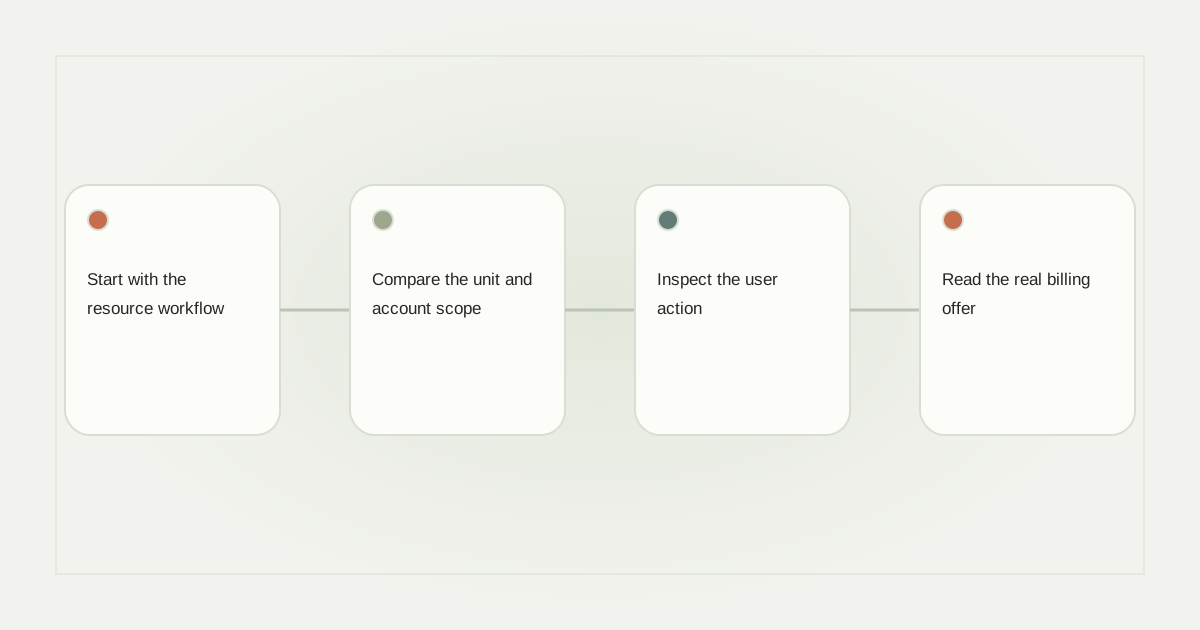
Start with the resource workflow
Define one job: a person comments on a selected Reel, receives an eligible opening, takes a supported action and obtains a resource. Record which parts are required rather than choosing by the number of feature names on a homepage. A simple PDF request and a complicated support conversation are different jobs.
LinkDM’s official pricing page presents an Instagram-focused product with DM and connected-account allowances. RelayDM’s Builder can configure a resource journey, but general customer sending remains gated. That availability difference is more important than a visually similar preview.
Compare the unit and account scope
Write down the outgoing-message allowance and connected-account limit for the actual LinkDM offer you are considering. Check whether public replies, openings and follow-on steps count in the same way. Do not assume a saved automation is the billing unit or that a follower count predicts usage.
For a hypothetical agency managing a florist and a photographer, two client accounts create a different requirement from two campaigns on one account. Confirm ownership, account separation and who can see each client’s data. A plan that permits more accounts does not excuse shared passwords or careless exports.
Inspect the user action
A reply button and a website button are not interchangeable. Ask which native formats apply to the opening and resource stages for your connection. A recipient tapping a URL should not be counted as a messaging reply unless genuine platform evidence establishes the required interaction.
RelayDM has passed a bounded native-button acceptance, but this does not qualify unrestricted customer sending or every advanced combination. Meta’s private-reply rules remain relevant to either tool. Require the same actual rendered journey when evaluating a candidate.
Read the real billing offer
Compare current monthly and annual commitments, included usage, limit behavior and cancellation terms directly. Avoid repeating an old price from a review without checking the official offer. Any currency conversion should be labelled an estimate, with taxes and issuer costs considered separately.
RelayDM offers an eligible seven-day trial rather than a permanent free plan. Public qualified UPI trial checkout is distinct from restricted cards, eMandate, Dodo Live and returning immediate-paid checkout. A payment option being planned does not make it a usable alternative today.
| Decision | RelayDM | LinkDM review task |
|---|---|---|
| Live customer delivery | General customer sending remains gated | Verify the selected account and exact journey |
| Resource actions | Bounded native-button acceptance does not qualify every combination | Check opening and resource formats in the chosen plan |
| Cost and capacity | Review current plan and qualified checkout availability | Read current DM and connected-account allowances |
| Migration | Preserve customer and authorization boundaries | Confirm export, ownership and stop procedures before switching |
Make a task-based decision
Choose the tool that can currently support the required account and conversation, within a budget and operating process you understand. If RelayDM’s delivery gate prevents your campaign, do not interpret the editor as proof that the campaign can run. If a LinkDM feature is unclear, ask for account-specific confirmation rather than inferring it.
Use the alternatives checklist and cost worksheet to structure the decision. Check RelayDM’s live terms before subscribing. Do not migrate records or retire a functioning flow until the replacement has genuinely passed your authorized acceptance.
Sources and editorial notes
Source review: November 1, 2026. This is research-based guidance, not an independent hands-on test of every product. Prices and permissions can change.
Read our methodology, product-availability policy and corrections process.