 RelayDM
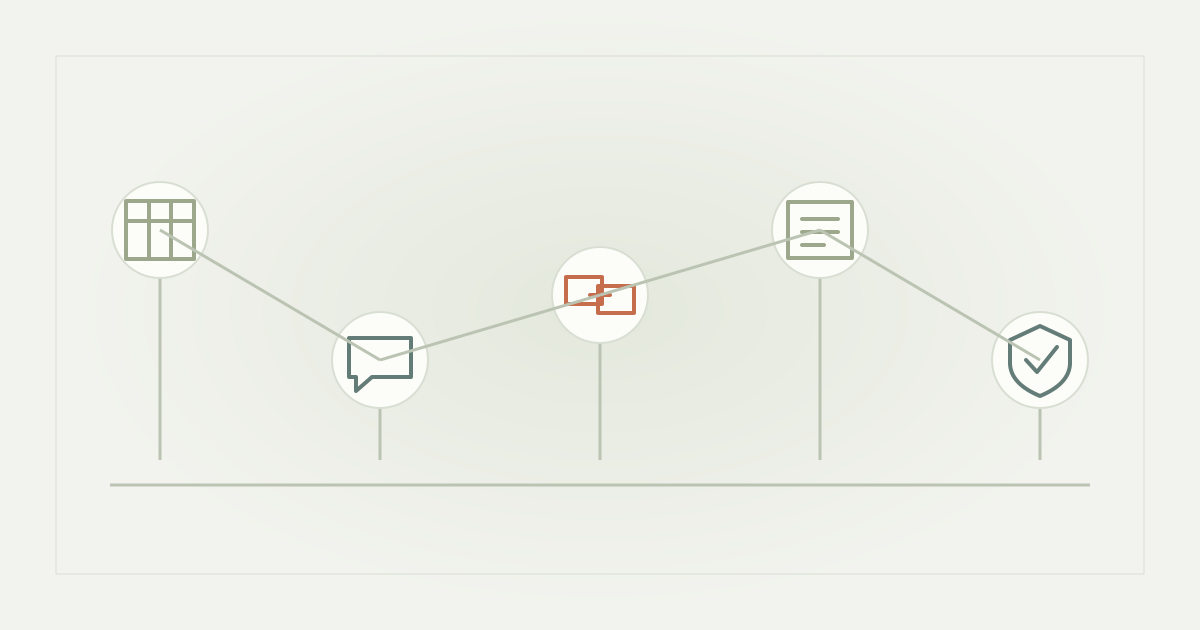
Instagram conversion automation needs an outcome definition before it needs a dashboard. A redirect proves that a link was requested; it does not establish that a human read the page, submitted a useful enquiry or paid. Build a measurement chain with separate events and honest gaps, rather than giving one click several impressive names.
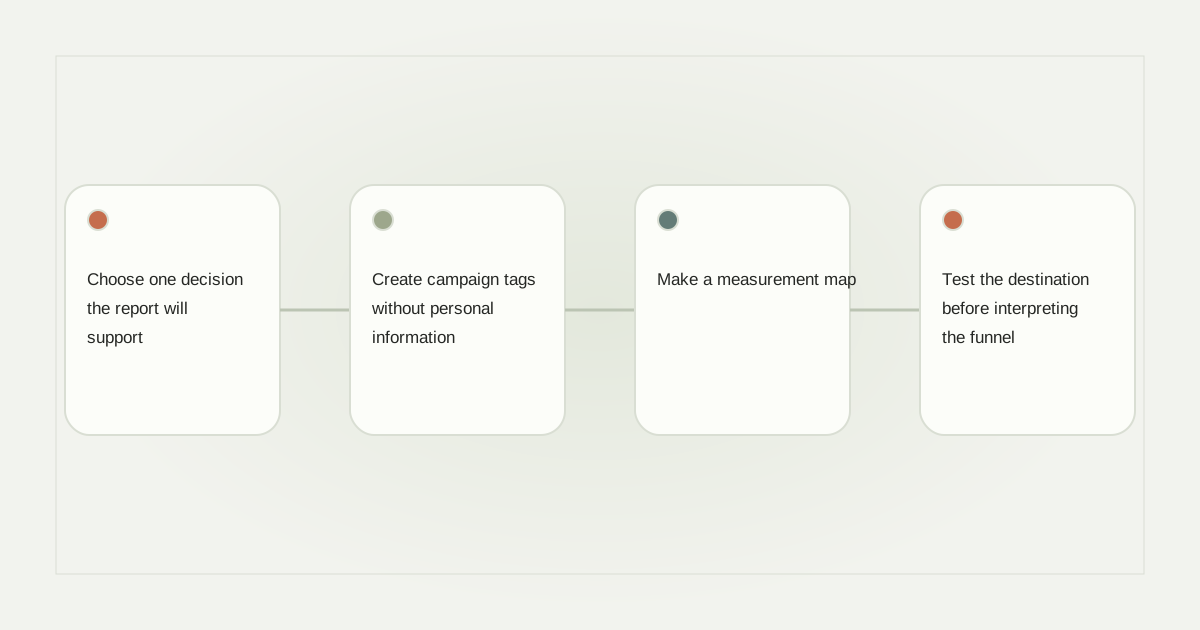
Choose one decision the report will support
Imagine a pottery studio distributing a workshop checklist. The studio wants to know whether the checklist attracts suitable class enquiries. Its conversion could be a completed enquiry form with a chosen workshop, rather than an Instagram comment, opening-button tap or resource download. Write that definition beside the campaign before launch.
Keep operational success separate: the requested message was accepted, the resource URL opened, and the enquiry arrived are different facts. This distinction also prevents a broken enquiry page from being celebrated as a successful DM campaign simply because many people clicked.
Create campaign tags without personal information
Use a small naming convention such as source=instagram, medium=dm and campaign=pottery-checklist-november. A content value can identify the Reel or creative without naming a recipient. Google’s campaign URL guidance explains how UTM values support referral reporting.
Do not put an email address, phone number or Instagram handle into a campaign tag. URLs can appear in browser history, copied messages and analytics systems. Keep recipient identity out of destination parameters unless a separately reviewed, necessary design specifically requires it.
Make a measurement map
Create a row for each stage: qualifying request, eligible interaction, accepted delivery, redirect and completed enquiry. Identify the system that can observe each stage and what identifier, if any, may safely connect them. If two systems cannot be joined responsibly, report their totals separately.
For example, a recipient may open the resource on a different device, block analytics or share the link with a friend. These are plausible explanations for a gap, not permission to manufacture missing conversions. Record “unattributed enquiries” when that is the evidence you actually have.
Test the destination before interpreting the funnel
Open the tagged URL on a phone and verify that query parameters survive redirects. Check the form’s success state, validation errors and duplicate submissions. A button saying “Thank you” without a stored submission is not the same evidence as a saved enquiry.
Keep preview traffic separate from the campaign where your analytics supports that. Also document staff checks and automated link inspection. A sudden burst of redirects with no engaged visits can be a measurement question; it is not automatically audience enthusiasm or fraud.
Publish a report with bounded claims
A useful weekly note might say: “The guide URL received 38 requests and the form recorded six enquiries; four carried the campaign tag.” These are illustrative figures, not a RelayDM benchmark. Explain the attribution method, observation dates and known missing information alongside the numbers.
Compare the same definition over time. Changing from form submissions to page views midway through a campaign makes an improvement claim meaningless. See the DM analytics guide and conversation funnel map for adjacent measurement decisions.
Keep product availability separate from measurement design
RelayDM’s tracked-link and reporting interfaces can be inspected without assuming every customer messaging workflow is enabled. A measurement plan does not qualify an outbound capability or remove subscription checks. Review current plans and availability, then use the marketing automation framework to assign an owner to each real outcome.
Sources and editorial notes
Source review: November 1, 2026. This is research-based guidance, not an independent hands-on test of every product. Prices and permissions can change.
Read our methodology, product-availability policy and corrections process.