 RelayDM
Instagram lead generation for newsletter creators needs two distinct promises: delivering the item someone requested and inviting them to receive future issues. Combining those silently creates confusion about what the person agreed to. A clear newsletter workflow lets the reader understand the topic, cadence and signup process before their address becomes part of a distribution list.
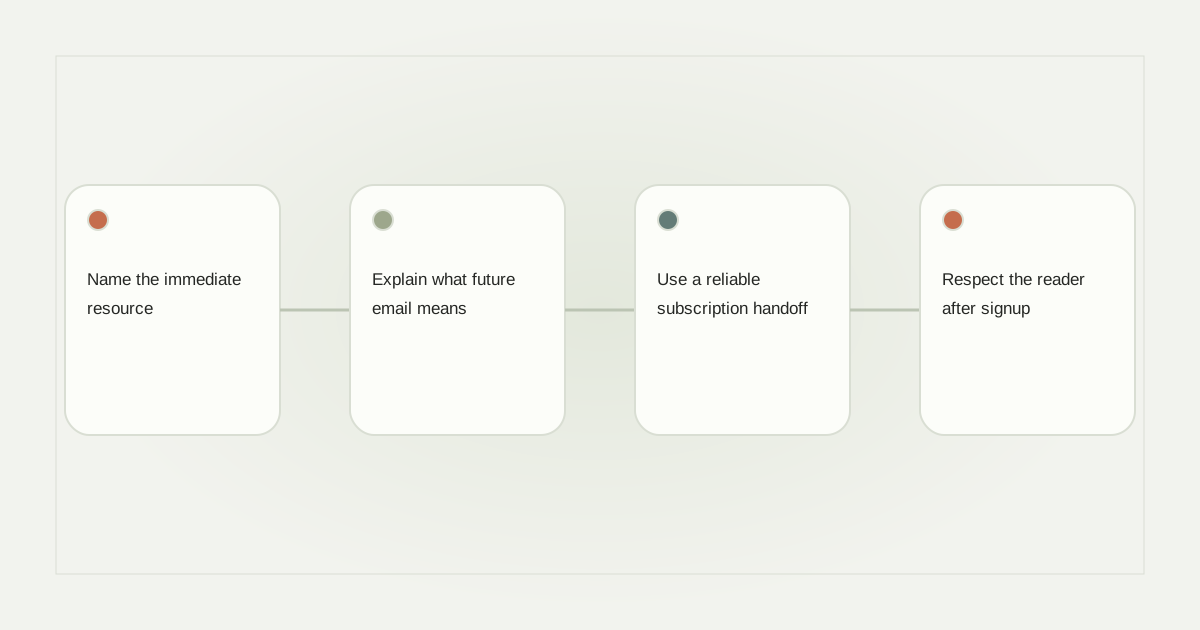
Name the immediate resource
Suppose a gardening newsletter shares a Reel about preparing seed trays. “Comment SEEDS for the planting calendar” promises a calendar, not an ongoing subscription. The destination should deliver that calendar or clearly explain its access terms. Avoid making a previously unmentioned marketing enrollment the only way to receive it.
If the actual offer is a newsletter signup, say so in the post: “Join the weekly gardening letter for the calendar and future planting notes.” Transparency starts before the DM. Instagram lead generation for content creators works better when the audience can recognize the exchange being proposed.
Explain what future email means
After resource delivery, an optional question might be “Would you like the weekly gardening letter too?” Link to a signup page that explains the sender, subject and expected cadence. Give a meaningful choice rather than preselecting agreement in an unrelated form.
Avoid implying that providing an email address automatically authorizes every future promotion. The appropriate notice and legal basis depend on the audience and jurisdiction. Review those requirements with suitable guidance; a platform-approved API is not a blanket email-marketing compliance certificate.
Use a reliable subscription handoff
Let the newsletter platform handle its normal signup and confirmation process. If an integration transfers addresses, preserve the submitted purpose and any consent evidence needed by that process. Do not label an unconfirmed export as a completed subscription.
A useful record distinguishes resource requested, email submitted, newsletter signup pending and subscription confirmed. Instagram lead generation software should not flatten those states. If synchronization fails, retain a recoverable status instead of sending the reader the same invitation repeatedly.
Respect the reader after signup
The newsletter should contain the unsubscribe route and identity information appropriate to the service. Staff need a process for requests to correct or remove details. An Instagram inbox reply is not a reason to ignore a cancellation recorded in the email system.
Instagram lead generation for course creators can involve both a course guide and a newsletter. Keep those purposes separate even if the same person manages them. A free educational file is not evidence that the reader wants sales emails about every future course.
Test the decline path as carefully as acceptance
Try the journey with a consenting recipient who chooses not to subscribe. They should still receive what the post promised under its stated terms. Check a mistyped email, an existing subscriber and a failed handoff without inventing a successful confirmation.
RelayDM can help prepare a consent-aware conversation, but its general customer sending is still gated. AI lead generation on Instagram does not establish permission to mail someone. Confirm live workspace availability and your newsletter platform’s own process before launching the campaign.
Before sending the first issue, inspect one record from end to end. Can the team explain where the address came from, what the reader requested and whether confirmation is complete? If not, resolve the record rather than assuming that possession of an email address settles the question.
See email collection after a resource and workflow recipes. Review RelayDM availability separately from newsletter terms.
Sources and editorial notes
Source review: November 1, 2026. This is research-based guidance, not an independent hands-on test of every product. Prices and permissions can change.
Read our methodology, product-availability policy and corrections process.