 RelayDM
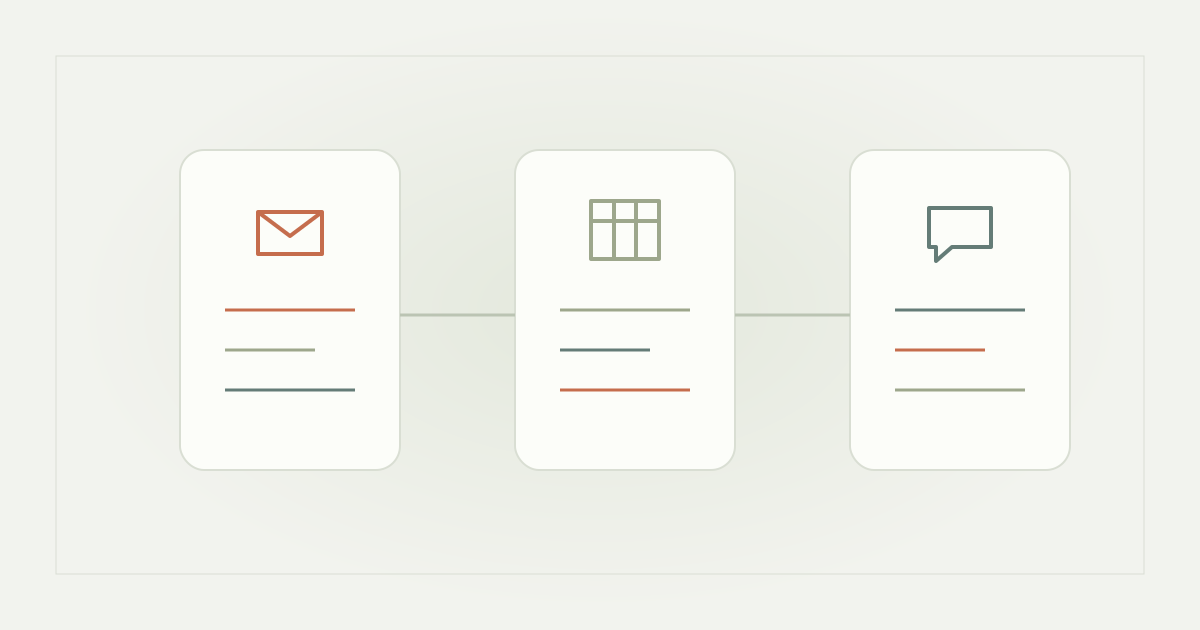
Instagram automation for podcasters can make episode resources easier to find. A listener sees a short clip, requests a worksheet or show-note link and reaches the right episode page. The workflow should preserve that context rather than sending every interested person to a general homepage or an unrelated subscription pitch.
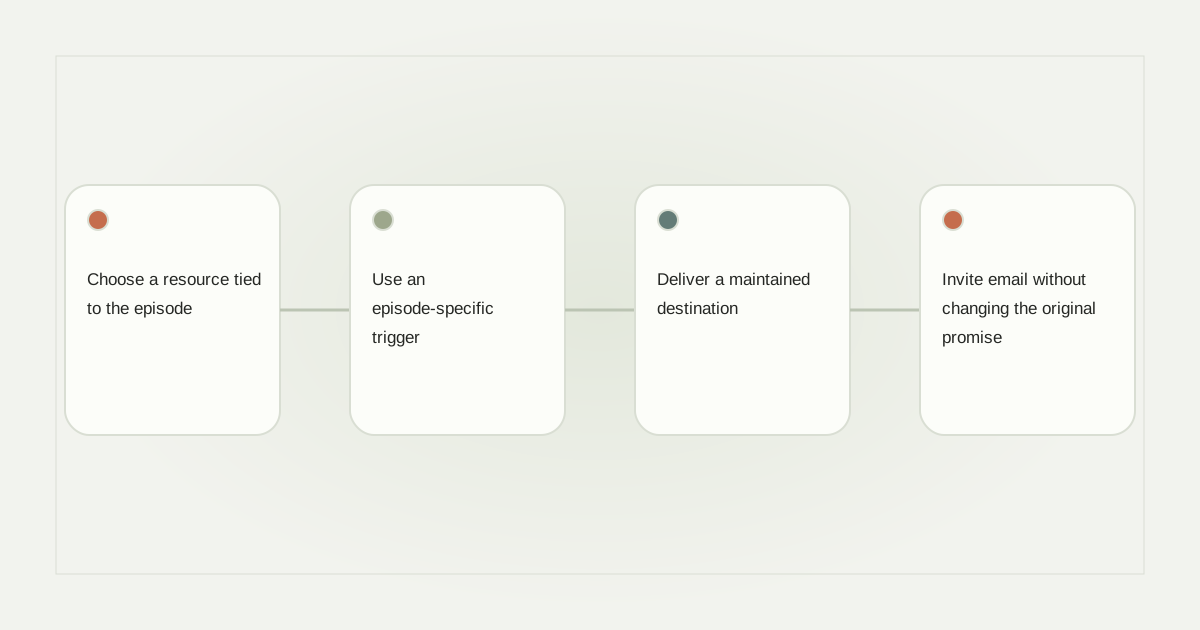
Choose a resource tied to the episode
Suppose an interview discusses preparing a small recording space. The clip can invite “Comment ROOM for the episode notes and checklist.” The page should identify the episode, guest and resource clearly. Check that you have permission to distribute any guest-provided material.
Avoid promising a complete transcript if only a brief summary exists. If a resource is behind a purchase or membership requirement, disclose that in the invitation. A clear promise gives the recipient a reason to trust the link without implying more than the page delivers.
Use an episode-specific trigger
Bind the keyword to the selected clip and account. A generic NOTES keyword used on every Reel can become confusing when old clips continue circulating. The same word can still be useful if the tool reliably uses the post context; verify that behavior rather than assuming it.
Comment automation for podcasters should also distinguish a resource request from a guest question or a correction. All-comments mode may capture criticism and unrelated discussions. Leave a route for editorial responses instead of treating every comment as permission for the same message.
Deliver a maintained destination
An episode page is often easier to update than a direct download stored in an old message. It can hold the listening links, corrections and accessible resource formats. A URL action such as “Open episode notes” describes the destination more accurately than a vague “Get access.”
Instagram DM automation for podcasters needs the supported opening and recipient interaction for its actual conversation context. If the account cannot send the requested button format, do not pretend that a preview establishes eligibility. Use an honest supported path or keep delivery restricted.
Invite email without changing the original promise
After the requested material, offer an optional way to hear about future episodes. State what the reader will receive and direct them to the newsletter’s normal signup process. A resource request is not an automatic subscription to episode announcements or sponsor promotions.
If a sponsor supports the episode, keep relevant disclosures clear around the recommendation. Do not hide a commercial relationship behind a tracked link. The destination and the DM should agree about whether a resource is editorial, sponsored or an affiliate offer.
Maintain the archive as part of production
When a guest changes a link or a resource is withdrawn, update the episode page and review any active automation. Preserve a useful explanation for people finding older clips. Do not silently replace a promised worksheet with a new sales page merely because the original file was removed.
RelayDM has bounded native-button acceptance but general customer sending remains gated. An Instagram chatbot for podcasters should be assessed on actual permissions and reliable episode context, not a “best Instagram bot” label. Test the maintained destination before publishing a resource campaign.
Read the requested-link guide and newsletter consent workflow. Check RelayDM availability before selecting a paid plan.
Sources and editorial notes
Source review: November 1, 2026. This is research-based guidance, not an independent hands-on test of every product. Prices and permissions can change.
Read our methodology, product-availability policy and corrections process.