 RelayDM
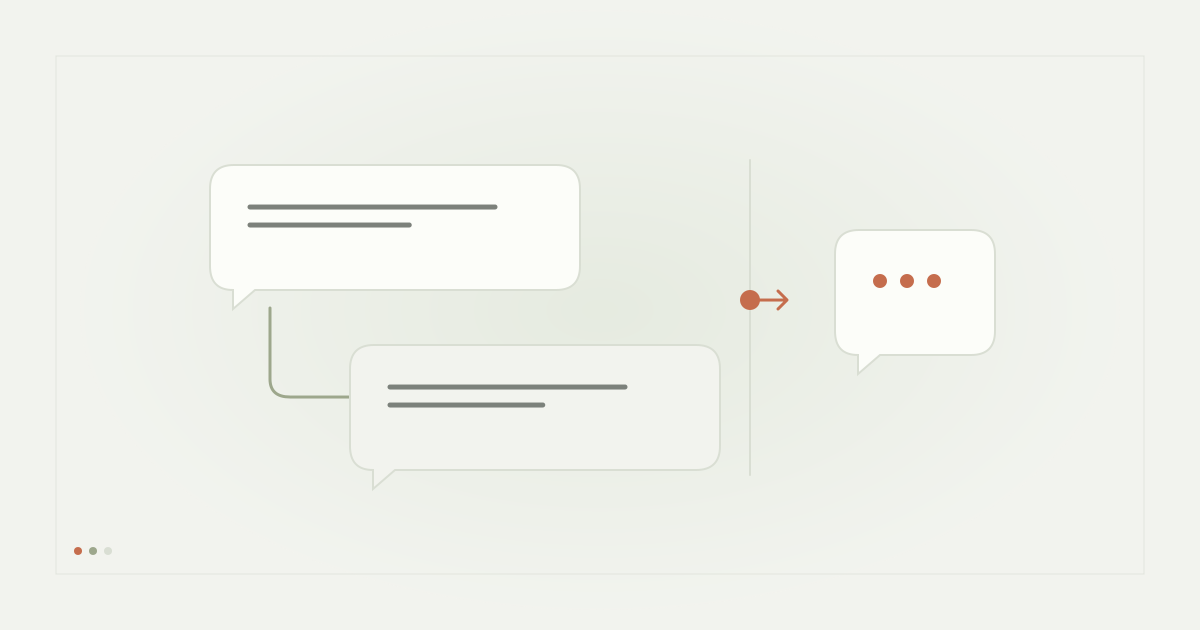
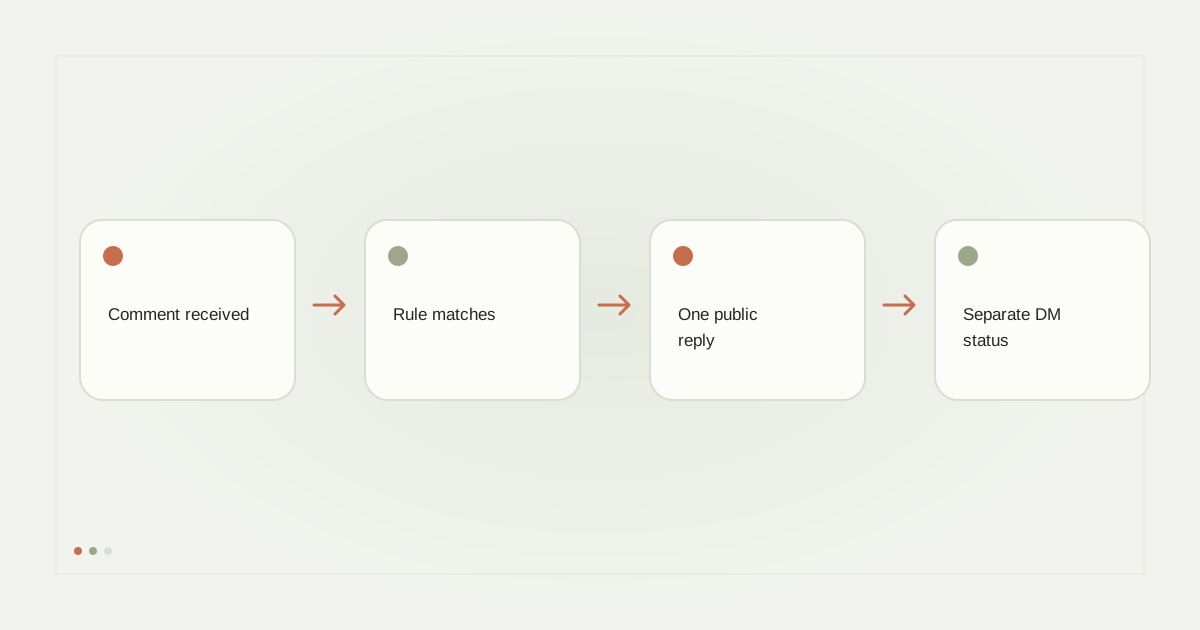
An Instagram comment auto reply is a configured public response to a qualifying comment. It differs from a private comment-to-DM reply. Choose the outcome you need before configuring a tool: answering publicly, acknowledging a resource request or beginning an eligible private conversation are separate actions.
Decide what belongs in public
Public replies work well for brief acknowledgements and information that helps everyone reading the post. Store hours, a clarification about the Reel or thanks for a resource request can be appropriate. Private order details, email addresses and support histories should not be repeated under a public post.
If a comment contains a complaint or a sensitive issue, an automated cheerful response may make the situation worse. Use a narrowly relevant trigger, review exclusions where supported, and keep a human escalation route available.
Write a reply that stays true
Avoid stating that a DM was delivered before the system has evidence for that outcome. “Thanks for asking for the guide” is different from “Check your inbox.” If your workflow cannot condition the public message on actual private acceptance, choose wording that does not overstate delivery.
Do not promise instant support, guaranteed access or a limited-time offer unless your operation can fulfill it. The safest reply is one that remains accurate when a downstream service is slow.
Use keyword rules with realistic examples
A keyword trigger should distinguish a request from ordinary conversation. “SIZE” under a product post may be useful; a generic word like “yes” might match unrelated comments. Test whole phrases, punctuation and capitalization according to the tool’s matching rules.
All-comments mode is broader and should be intentional. Before enabling it, read a sample of real comments on similar posts. If many are questions, complaints or tags, one identical reply may be a poor fit.
Keep variants consistent
Some tools support several reply variants. That can help the language feel less repetitive, but variants should not change the promised outcome. One should not say a resource was sent while another asks the commenter to wait if both correspond to the same processing state.
Do not describe selection as random rotation unless the implementation genuinely works that way. A predictable supported variation is preferable to an attractive control with no verified behavior.
Prevent duplicate acknowledgements
Webhook delivery and queue processing can repeat. The automation should recognize the exact comment event and avoid creating an additional public reply every time the event is received. Editing a draft or retrying a page load should not revive already completed work.
Test this with safe fixtures before relying on a live campaign. During a controlled recipient test, record the comment ID and expected public outcome. If an attempt is uncertain, inspect the existing record rather than posting another identical comment immediately.
Combine with a private resource journey carefully
When the purpose is to share a link, keep the public response short and put the resource in the eligible private flow. Do not ask people to publish their email address in the comments. A private resource request and a newsletter signup remain different permissions.
Use descriptive native actions where qualified, and ensure that the private message still makes sense if the recipient sees it in Requests. Our link-delivery guide explains the full sequence.
What to check in RelayDM
RelayDM’s Builder contains public-reply configuration alongside its comment-to-DM draft tools. Production delivery eligibility remains independently gated; a saved variant or preview is not evidence that a public reply was posted. Check the exact readiness message in your workspace before launching.
Review trigger strategy, platform safety and the current plan information. Start with a useful, truthful acknowledgement and expand only after its real behavior has been verified.
Sources and editorial notes
Source review: November 1, 2026. This is research-based guidance, not an independent hands-on test of every product. Prices and permissions can change.
Read our methodology, product-availability policy and corrections process.