 RelayDM
Instagram DM automation for fitness coaches should share general educational material without pretending to know a person’s health, ability or appropriate programme. A beginner class explanation or planning worksheet can be useful. Individual exercise, nutrition and injury questions need an appropriate professional process, not a generic response triggered by a comment.
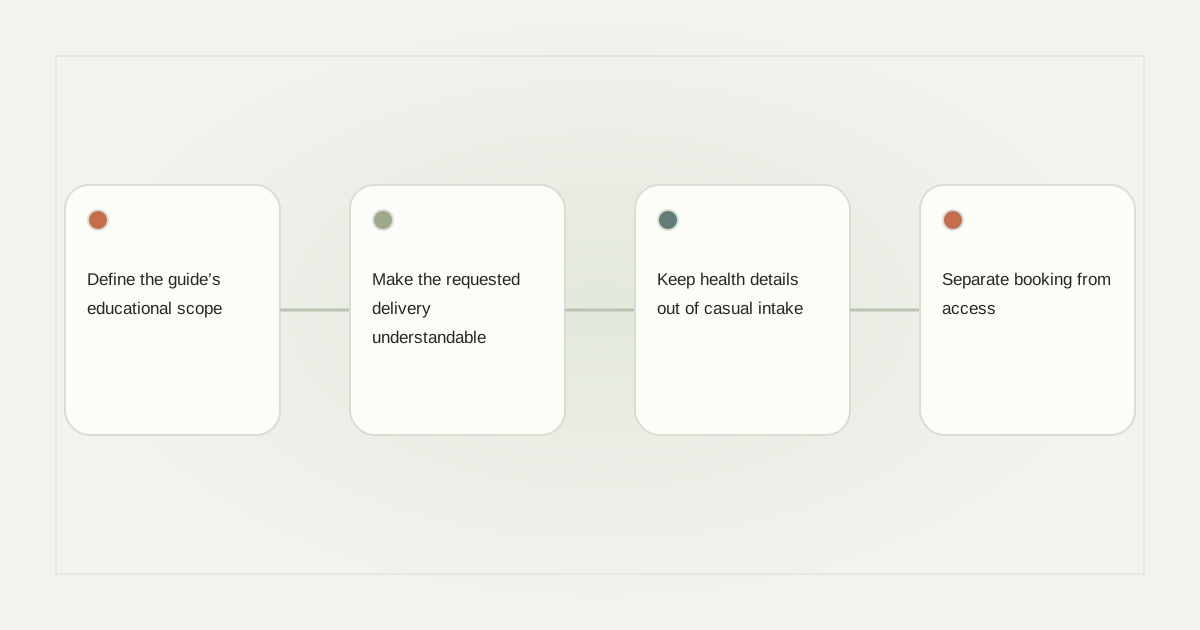
Define the guide’s educational scope
A coach might offer a worksheet for organizing training questions before a consultation. A Reel can invite “Comment PLAN for the preparation guide.” The guide should explain its general purpose and avoid presenting a universal routine as suitable for every reader.
Do not use automated messages to promise weight loss, recovery or a specific performance result. If the resource discusses activities, keep the advice within the coach’s actual competence and approved materials. This article concerns communication workflow, not personalized health guidance.
Make the requested delivery understandable
The opening reply should identify the guide and the supported way to receive it. After the recipient interaction, deliver the resource through a verified format. Comment automation for fitness coaches should not immediately launch several promotional messages unrelated to the request.
If a tool displays native buttons, confirm their actual support for the connected account and conversation stage. A button tap can be an interaction, but it does not verify physical readiness, consent to an exercise programme or agreement to a paid coaching relationship.
Keep health details out of casual intake
An optional first question can ask whether the reader wants general class information or a consultation route. Avoid collecting medical histories, photographs, detailed measurements or private records in Instagram as a shortcut to qualification. Explain the appropriate secure process if individual assessment becomes necessary.
Instagram automation for fitness coaches should include a human escalation path for sensitive questions. Do not let a bot infer suitability from a profile picture, age guess or keyword. Staff should know when to stop the automated conversation and direct the person to appropriate help.
Separate booking from access
A fitness coach’s automated enquiry can lead to the authoritative calendar when someone wants to book. The service should explain consultation terms and confirm availability through that system. Sending a calendar link is not confirming a session, taking payment or activating a membership.
For coaches selling courses, identify whether the resource is a preview, an educational guide or a paid programme. The destination should make the price and access terms clear. Avoid converting a promised guide into a surprise checkout or marketing-list requirement.
Test the boundaries, not just the happy path
Use a consenting recipient to check a relevant comment, an unrelated question and a request that needs staff judgment. Verify that optional contact collection can be declined. Confirm that the resource remains accurate and the coach can answer enquiries within the stated service capacity.
RelayDM’s general customer sending remains gated. Automated DMs do not guarantee new coaching clients, and a software trial does not authorize unrestricted delivery. Review actual permissions and the coach’s professional boundaries before launching any workflow.
Keep the resource version and review owner with the campaign notes. If the coach changes the educational material, inspect the invitation and message again. A general guide should not gradually acquire personalized claims through repeated small copy edits that nobody reviews as a complete conversation.
See gym class information and coaching enquiry design. Check RelayDM terms separately from coaching offers.
Sources and editorial notes
Source review: November 1, 2026. This is research-based guidance, not an independent hands-on test of every product. Prices and permissions can change.
Read our methodology, product-availability policy and corrections process.